Culture Shock
Play Culture Shock
Culture Shock Screenshots













Culture Shock review
A Complete Guide to the Interactive Visual Novel Experience
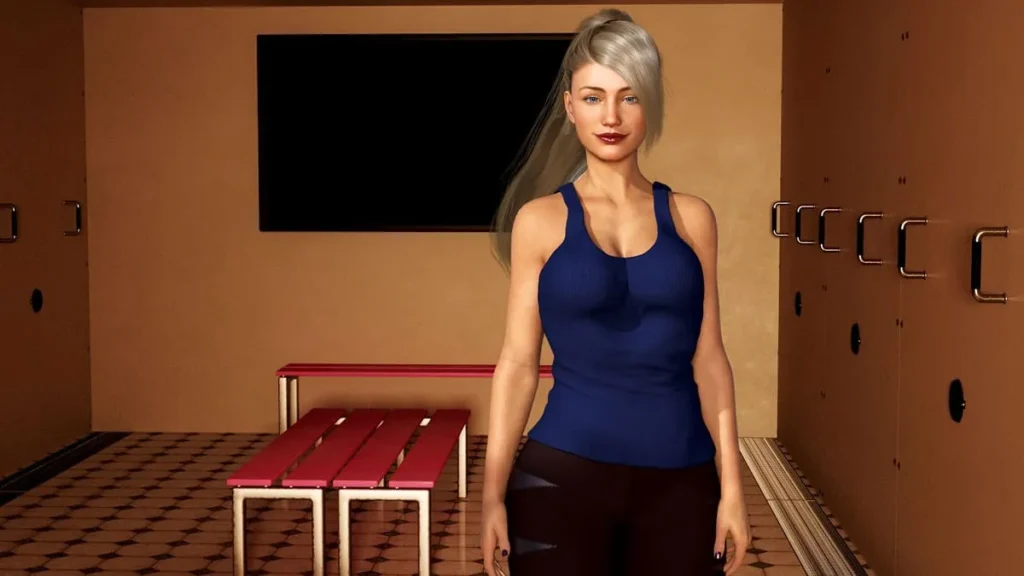
Culture Shock stands out as a distinctive interactive visual novel that blends narrative depth with innovative gameplay mechanics. Players take on the role of a protagonist who relocates to Hawaii and must navigate a new lifestyle filled with relationship-building opportunities and personal growth. The game features a unique language learning system, context-dependent dialogue choices, and a social energy mechanic that creates authentic immersion. Whether you’re curious about how the game’s mechanics work or interested in understanding its narrative approach, this guide explores everything that makes Culture Shock a memorable experience in the visual novel genre.
Core Gameplay Mechanics That Define the Experience
Ever downloaded a game expecting a chill story, only to find yourself hunched over a notebook, heart racing as you try to remember if the word for “excited” is also the word for “agitated”? 😅 That’s the beautiful, brain-tickling trap of Culture Shock. This isn’t a visual novel where you just click through pretty pictures. It’s an immersive visual novel experience built on a foundation of ingenious, sometimes fiendishly clever, gameplay mechanics that make you feel the struggle and triumph of living in a new country.
Forget simple multiple-choice quizzes. Here, you don’t just learn a language—you survive by it. Relationships aren’t gifted; they’re painstakingly built. The story doesn’t follow a rigid path; it blossoms from your choices, your mistakes, and your hard-won connections. This chapter is your deep dive into the systems that make Culture Shock not just a game to play, but a journey to inhabit. We’re breaking down the genius behind its language learning system, the relatable tension of its social energy system, and the profound agency of its interactive dialogue choices.
The Dynamic Language Learning System
Remember trying to ask for directions in a foreign country and accidentally insulting someone’s grandmother? Culture Shock captures that exact blend of panic and hilarity, turning language acquisition into the game’s core puzzle. This isn’t about unlocking vocabulary with experience points. It’s a hands-on, manual, and wonderfully clumsy process of listening, recording, and bravely (often foolishly) experimenting.
Here’s how it works: As you explore the game’s world, you’ll overhear snippets of conversation, see words on signs, or catch unique phrases from characters. The game won’t flash a translation on your screen. Instead, you have an in-game notebook. You, the player, must manually write down what you think you heard or saw. Later, in conversation, you can attempt to use these words. This is where the magic—and the Culture Shock gameplay mechanics—really shine.
🧠 Pro Tip: Treat your in-game notebook like a real one. Jot down not just the word, but who said it and in what context. Was “bakku” said with a smile by a shopkeeper or a grimace by someone who just stubbed their toe? Context is everything!
Let me give you an example from my own playthrough. Early on, I heard a character use the word “kanashii” while looking at a wilted flower. I scribbled it in my notebook as “sad.” Feeling confident, I later met a friend who was talking about a missed opportunity. Wanting to be empathetic, I pulled out “kanashii.” The conversation stopped. He looked confused, then slightly offended. The game gently informed me I had used a word for a deep, poetic sorrow, entirely inappropriate for a minor disappointment. I’d basically told him he looked tragically bereaved. It was a hilarious failure that taught me more about nuance than any textbook ever could.
This language learning system visual novel approach creates constant, low-stakes tension. Every conversation is a puzzle. Do you use the new word you just learned, risking a social faux pas for a potential breakthrough in understanding? Or do you play it safe with your limited, basic phrases? Successfully using a word correctly in the perfect context is an incredible “Aha!” moment. You don’t just gain relationship points; you feel a genuine spark of connection and personal achievement. The system perfectly mirrors real-life learning: frustrating, gradual, and immensely rewarding when you finally piece it together. This organic method is a cornerstone of the immersive visual novel experience, making your progress feel earned, not granted.
Social Energy and Relationship Management
If the language system exercises your brain, the social system speaks to your soul—especially if you’re any shade of introverted. Culture Shock introduces a brilliant social energy system that is painfully relatable. You have a Social Energy meter, and every interaction—every conversation, every attempt at language use, every story beat—depletes it.
This isn’t just a “you can only talk to five people a day” limit. It’s a narrative device that simulates the very real exhaustion of cultural immersion. When your energy is high, dialogue options are clearer, you might catch more linguistic nuances, and your responses are more thoughtful. As your meter dips into the yellow and then red, your character becomes fatigued. Options may dwindle, you might struggle to focus on complex words, and you risk being short or unintentionally rude in conversations.
So, how do you recharge? Not by sleeping (that just advances the day). You recharge by engaging in solitary, introspective activities. You might:
* Go for a walk in a quiet park. 🍃
* Listen to music on your in-game headphones.
* Sit in your room and write in your journal.
* Simply spend time people-watching at a café without engaging.
This mechanic forces a beautiful, reflective rhythm onto the Culture Shock gameplay. You can’t power through every social event back-to-back. You must balance your desire to connect with your need for solitude. It makes you strategically plan your days: “I want to attend the festival tonight with Keiko, so I should spend this afternoon recharging by the river.” This management layer adds a whole new dimension to relationship building mechanics, as choosing to spend your limited social energy on someone is a significant investment. It tells the game—and yourself—who you truly value connecting with.
Context-Dependent Dialogue and Player Agency
This is where all the systems converge to create something truly special. The interactive dialogue choices in Culture Shock are not static. They are dynamic, shifting based on a living web of your actions, knowledge, and relationships. It’s the antithesis of the “always three options: nice, neutral, sarcastic” trope.
Your choices are filtered through three key lenses:
1. Your Observed Knowledge: Did you eavesdrop on the seniors at the community center talking about the town’s history? If so, a new, informed dialogue option about local traditions might appear when speaking to the mayor.
2. Your Understanding of Local Culture: Have you learned through painful trial and error that direct compliments can be seen as awkward here? A more subtle, culturally-appropriate way to encourage a friend might become available.
3. Your Prior Actions and Relationships: If you helped Sora fix his bike last week, he’ll trust you more now. A dialogue tree about a personal problem he’s having might unlock, a path that would be completely closed off if you’d brushed him off earlier.
This creates an unparalleled sense of player agency. The narrative feels like it’s yours. I remember a pivotal moment where a character, Aiko, was upset about a family conflict. Because I had previously (and accidentally) used the correct formal honorifics when talking about her grandfather, she sensed my respect for her family’s customs. This unlocked a vulnerable, heartfelt conversation option that led to a deep friendship. In another playthrough, where I’d been more casual and blunt, that path remained forever closed. This is the heart of non-linear storytelling games. The plot doesn’t advance because you completed “Quest #3.” It unfolds because you understood someone.
These relationship building mechanics mean no two players will have the exact same story. Your unique journey of blunders and breakthroughs directly shapes who you can connect with and how. The game world reacts to you as a person, not just as a cursor clicking on pre-scripted paths.
| Gameplay Feature | How It Works | Narrative & Emotional Impact |
|---|---|---|
| Manual Language Learning | Player actively records overheard words/phrases in a notebook and experiments with them in conversation. | Creates authentic tension, “Aha!” breakthrough moments, and a tangible sense of personal growth. Makes communication feel earned. |
| Social Energy System | A depleting meter limits social interactions; recharged through solitary, introspective activities. | Simulates the exhaustion of cultural immersion. Forces strategic pacing and makes social investment meaningful. Highly relatable for introverts. |
| Context-Dependent Dialogue | Dialogue options change based on player knowledge, cultural understanding, and prior relationship actions. | Creates profound player agency and organic, unique relationships. Makes the world feel reactive and alive, supporting true non-linear storytelling. |
| Relationship-Driven Progression | The main story advances by deepening bonds with key characters, not by completing traditional quests. | Invests the player emotionally in every interaction. The story becomes a direct result of the friendships you cultivate. |
How These Mechanics Create the Whole Experience
Alone, each of these Culture Shock gameplay mechanics is clever. Together, they form a symphony of interactive storytelling that generates those raw, authentic emotions the game is famous for. The frustration of fumbling a word isn’t just an obstacle; it’s a lesson that makes your next success sweeter. The need to recharge your social energy isn’t a limit; it’s a prompt for quiet world-building and reflection that makes the bustling social scenes more vibrant by contrast.
This interconnected design transforms the game from a passive story into an active simulation of life abroad. You’re not solving a puzzle to get a “good ending”; you’re solving the daily puzzle of how to be a person in a new world. Do you spend your energy on the boisterous festival to learn slang, or have a quiet tea with an elder to learn formal history? Both choices are valid and both will irreversibly shape your immersive visual novel experience.
The non-linear storytelling games aspect means your “failure” to quickly befriend one character might open up an entire, unexpected story thread with another. Perhaps your linguistic blunder amuses the local bartender, leading to a series of fun, low-pressure conversations you’d never have had if you were “perfect.” The game embraces the beautiful mess of real human connection.
Ultimately, Culture Shock uses its mechanics not as gates to block you, but as tools to empower you. They give you the agency to be awkward, thoughtful, energetic, or reserved. They ensure that every moment of connection, every hard-won understanding, and every comforting silence feels truly yours. This is what makes it more than a game—it’s a thoughtful, challenging, and deeply rewarding exploration of what it means to find your place, one clumsy, beautiful conversation at a time. 🎌✨
Culture Shock represents a thoughtfully designed visual novel that prioritizes player agency and immersive storytelling through innovative mechanics. The language learning system creates authentic communication challenges that feel rewarding rather than frustrating, while the social energy mechanic adds realistic depth to relationship management. The non-linear narrative structure ensures that each player’s journey feels unique and personally meaningful, with story progression determined by genuine relationship development rather than predetermined quest lines. The game’s technical execution across multiple platforms, combined with regular content updates and expanding features, demonstrates ongoing developer commitment to enhancing the player experience. Whether you’re drawn to the relationship-building aspects, the innovative gameplay mechanics, or the narrative flexibility, Culture Shock offers a distinctive experience that stands apart in the visual novel landscape. For players seeking an interactive story where their choices genuinely matter and where communication and cultural understanding drive the narrative forward, Culture Shock provides a compelling and engaging journey worth exploring.