Demons of the Hearth
Play Demons of the Hearth
Demons of the Hearth Screenshots
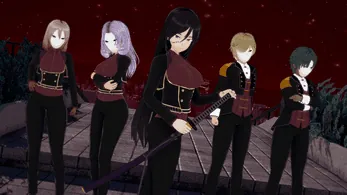



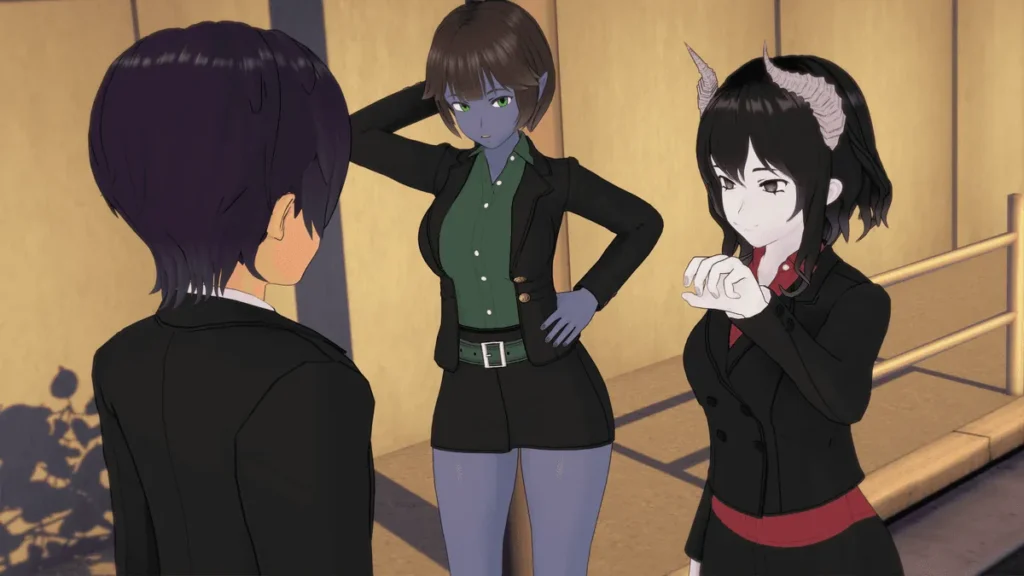
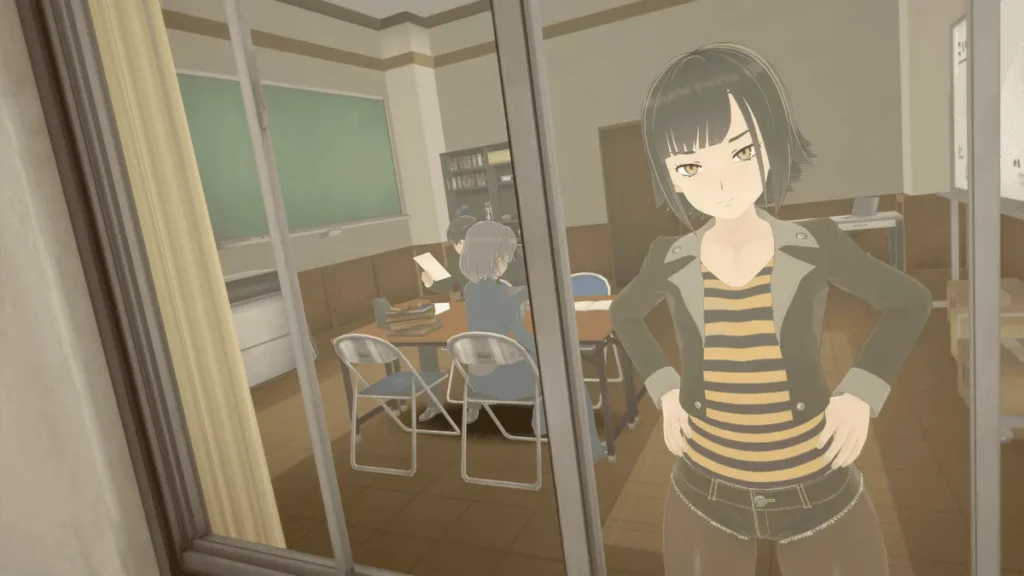



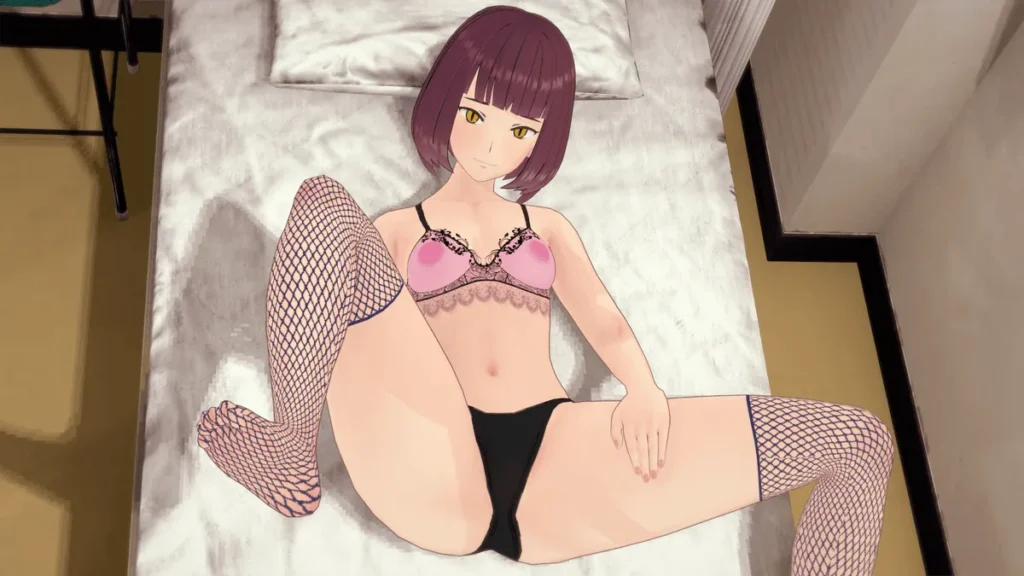
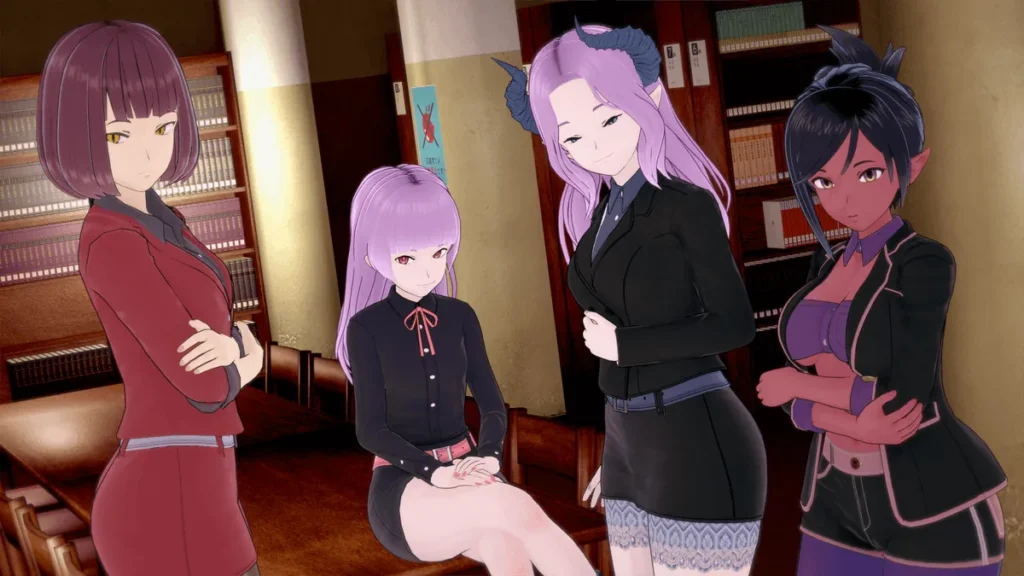
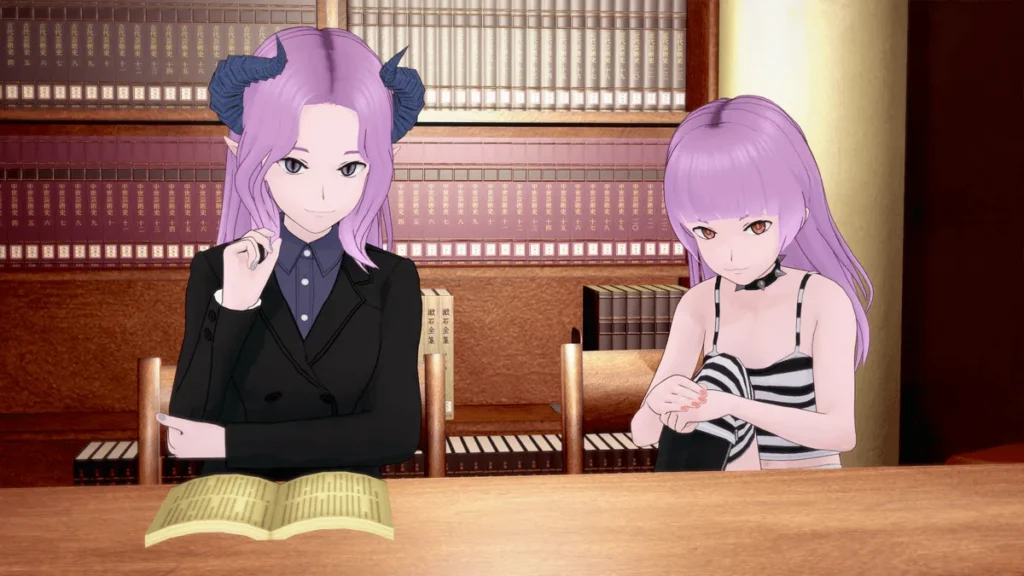
Demons of the Hearth review
Dive into Interactive Storytelling, Characters, and Intimate Gameplay
Imagine inheriting a rundown family home filled with secrets, quirky relatives, and steamy encounters that could mend or shatter everything—welcome to Demons of the Hearth. This interactive visual novel by Nyannyann hooks you with its gripping narrative about rebuilding life at the hearth while navigating deep relationships and hidden desires. I’ve spent hours lost in its trust-building mechanics and emotional twists, feeling like part of the family drama. If you’re wondering what makes Demons of the Hearth stand out in adult gaming, this guide uncovers the story, characters, gameplay, and tips to unlock its most rewarding paths. Let’s explore why it’s a must-play for fans of character-driven adventures.
What Makes Demons of the Hearth’s Story So Addictive?
I remember the exact moment the Demons of the Hearth story sank its claws into me. It was 2 AM, and I was just supposed to be checking out the opening hour. Instead, I was hunched over my keyboard, the glow of the screen the only light, caught in a quiet argument with my virtual sister about whether to sell our late grandfather’s creepy old clock. The tension wasn’t about monsters or magic—it was about grief, money, and the weight of a shared, painful past. I was hooked. This isn’t just a visual novel; it’s an heirloom of secrets, and you’re the one who gets to decide whether to polish it or smash it open. Let’s dive into what makes this narrative so compelling and how you can master it.
Unpacking the Core Narrative and Worldbuilding
At its heart, the Demons of the Hearth plot is deceptively simple: you inherit a sprawling, old family home with your pragmatic sister, Elara, and your nostalgically-minded uncle, Corbin. Your goal? Renovate, survive, and maybe uncover why you were left this place. But the genius of the Demons of the Hearth worldbuilding is how it layers the extraordinary onto a foundation of the utterly ordinary 🏡.
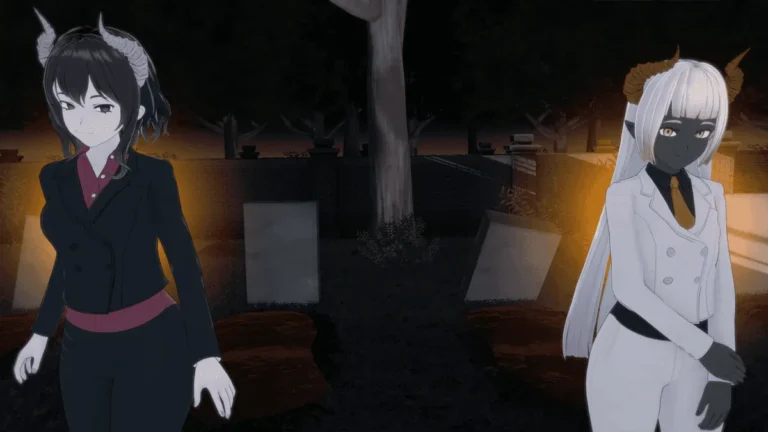
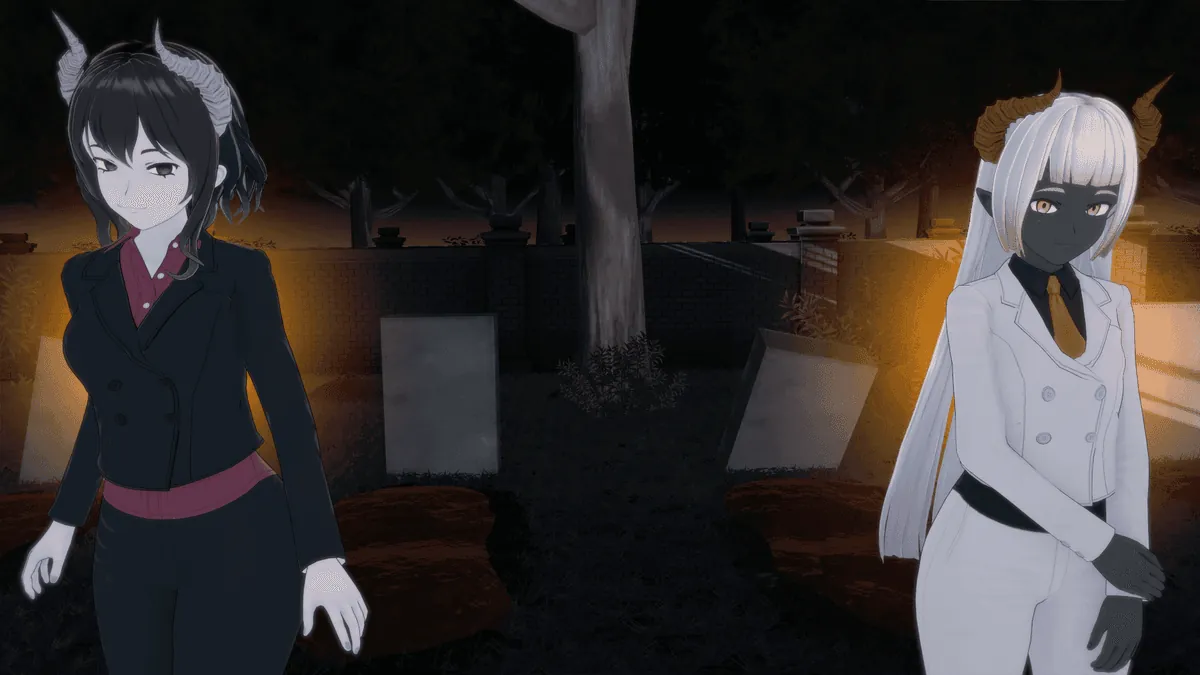
You’ll spend time choosing wallpaper, fixing leaks, and debating finances. This grounded, domestic simulator backdrop makes the eerie elements hit so much harder. Why does the neighbor, the enigmatic writer Rhys, seem to know so much about your family’s history? Who is the mysterious, white-haired Krowe with subtle horns who appears in the woods? And what about the rumors of disappearances in the nearby town, hinting at a potential thriller element that lurks at the edges of your property line?
The world feels lived-in because your actions directly shape it. The Demons of the Hearth story branches not with grand, apocalyptic choices, but with small, personal ones. Do you side with Elara’s practical need for cash, or with Corbin’s emotional attachment to the past? These decisions feed into hidden personality stats for your main character—traits like Empathetic, Pragmatic, or Inquisitive—which in turn unlock unique dialogue options and story paths later on. This is how you progress Demons of the Hearth; not by grinding, but by living in its world.
How Choices Shape Your Family Legacy
This is where the magic happens. The game doesn’t have a morality meter; it has a relationship and trust system. Every character, from your sister to the purple-haired, enigmatic Tarian you might encounter, has a hidden trust level. Your choices, big and small, nudge these levels up or down, triggering specific Demons of the Hearth hidden events and altering the narrative’s course.
Think of it as cultivating a garden of consequences. A seemingly minor disagreement with Elara about selling a family heirloom could lock you out of a vulnerable conversation with her later, or alternatively, spark a heated argument that ultimately leads to a deeper, more honest bond. This non-linear approach means your family legacy is uniquely yours.
Pro Tip: Don’t be afraid to disagree! Sometimes choosing the confrontational option leads to more authentic, story-rich resolutions than always being agreeable.
To help you navigate this web of relationships, here are my top 5 story choice tips:
- Track Your Consistency: The game remembers everything. If you’ve been portraying a cautious character, suddenly acting recklessly can feel jarring and may close off paths. Your hidden personality stats matter!
- Talk to Everyone, Every Day: Characters drop hints about their schedules and desires. Rhys might mention he writes best at night, suggesting that’s the best time to find him for deeper conversations.
- Revisit Old Conversations: After major plot points, go back and talk to your family again. Their perspectives and available dialogue often change, revealing new layers.
- Embrace Roleplay: Decide who your character is at the start. Are they trying to heal the family, uncover the truth at any cost, or just make a quick profit? Stick to that mindset for a cohesive story.
- Save Before Major Decisions: This is a sandbox narrative. Save often, especially before big family meetings or exploring a new area for the first time. Experimentation is key to seeing all the story branches.
Unlocking Hidden Events and Side Quests
The main Demons of the Hearth plot is just the spine. The real flesh of the experience comes from the Demons of the Hearth side quests and hidden moments you discover. These aren’t typical “fetch quests.” They’re emotional vignettes that build the world and your relationships. Helping your uncle Corbin restore his old workshop isn’t about gathering planks; it’s about listening to his stories of your mother and healing his sense of purpose.
Unlocking these moments is all about proximity, timing, and trust. Here’s a practical breakdown:
| Character | Common Trigger Method | Potential Hidden Event |
|---|---|---|
| Elara (Sister) | Reach “High Trust” and enter the kitchen late at night. | She might open up about her anxieties, offering a special item for the house. |
| Rhys (Neighbor) | Visit his porch multiple times at different times of day after finding a specific book. | He may share a crucial piece of local history that changes your view of the town’s threats. |
| Krowe (Mysterious Stranger) | Explore the forest edges repeatedly with an “Inquisitive” personality stat. | A chance encounter that reveals a connection to the supernatural elements of the hearth. |
So, how do you progress Demons of the Hearth when you feel stuck in sandbox mode? First, check the main menu hints. They often gently nudge you toward active opportunities. Second, enter key locations at different times. The hearth room at dawn might be empty, but at dusk, you might find a character there, lost in thought, ready for a talk. Pursuing side quests is the best way to increase replayability, as each playthrough can focus on a different character’s arc, revealing completely new facets of the story.
This focus on messy, realistic growth is what sets it apart. Unlike linear visual novels, Demons of the Hearth demands your emotional participation. You’re not reading a story; you’re knitting one from threads of conversation, silence, and difficult choices.
A Quick FAQ on Story Progression
-
Q: I’m in sandbox mode and feel totally lost. What should I do?
A: This is normal! Focus on one goal: pick one character and try to boost their trust. Talk to them daily, support their mentioned interests, and revisit locations they frequent. The story will naturally begin to unfold from that focused relationship. -
Q: I think I missed a hidden event. Can I go back?
A: Due to the time-based and stat-locked nature of events, you often can’t within a single playthrough. This is by design, encouraging multiple playthroughs. Use different save slots before the start of each in-game week to create branching points. -
Q: How do I know if my choices are affecting the personality stats?
A: The game doesn’t show you directly, which is part of the immersion. Pay attention to the dialogue options that become available or unavailable. If you’re suddenly offered a particularly intuitive or bold choice, it’s because your previous actions have shaped your character in that direction.
The addictive pull of Demons of the Hearth is the promise that your attention matters. Every explored room, every chosen dialogue line, and every fostered bond writes a chapter in a legacy that is wholly yours. And speaking of bonds, the characters themselves are deep wells of story waiting to be understood… but that’s a secret for another chapter.
Demons of the Hearth masterfully weaves heartfelt family rebuilding with thrilling twists, deep character arcs, and intimate moments that linger long after playing. From the trust-driven interactions with your pragmatic sister, witty neighbor Rhys, and enigmatic favorites like Krowe, to navigating sandbox challenges and unlocking emotional side quests, it’s an experience that rewards patience and bold choices. My own playthroughs revealed how small disagreements built unbreakable bonds, turning a simple home into an epic saga. If you’re craving a visual novel that feels personal and immersive, grab Demons of the Hearth today—dive into its world, build those connections, and see where your hearth leads. Your next favorite story awaits.