Divine Dawn
Play Divine Dawn
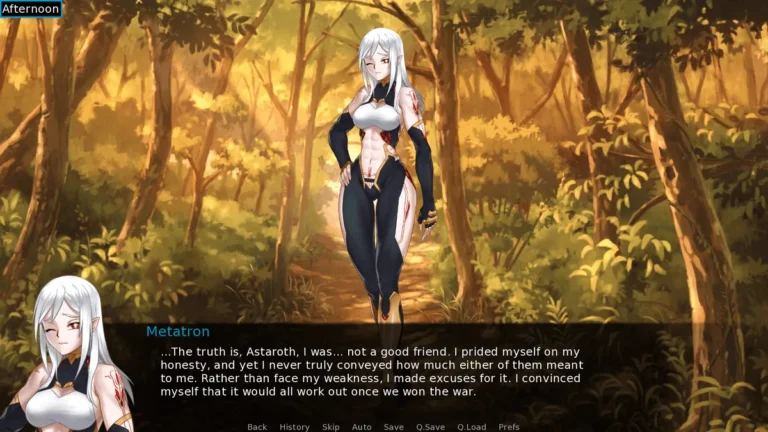
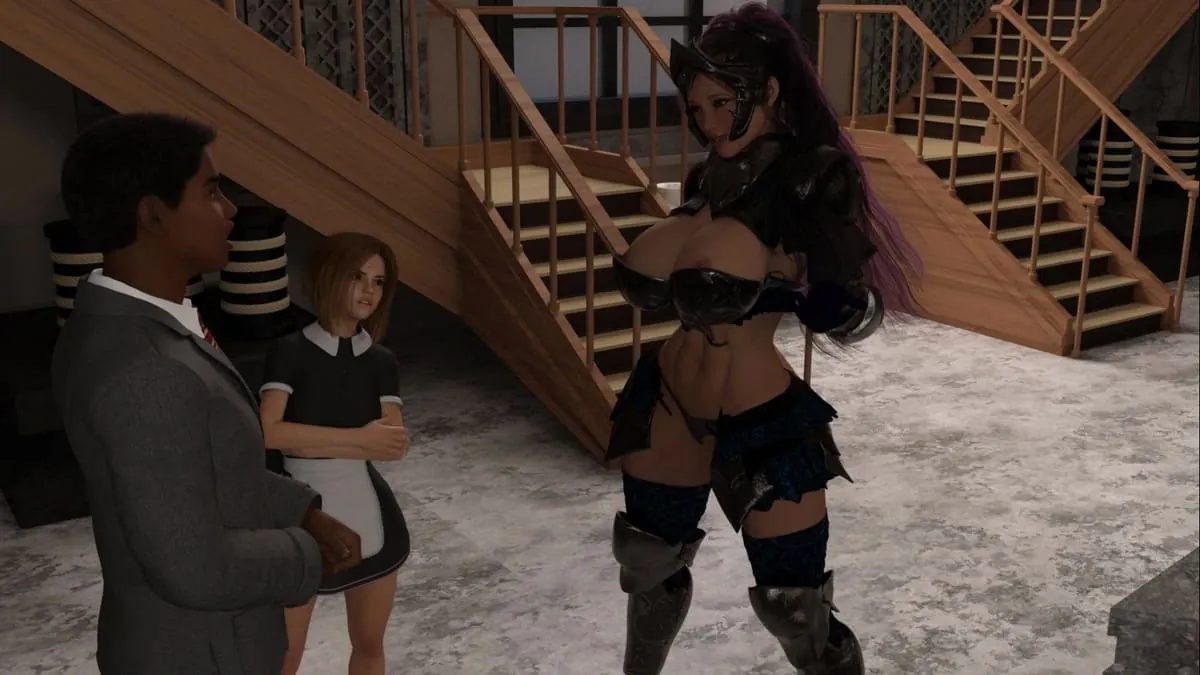
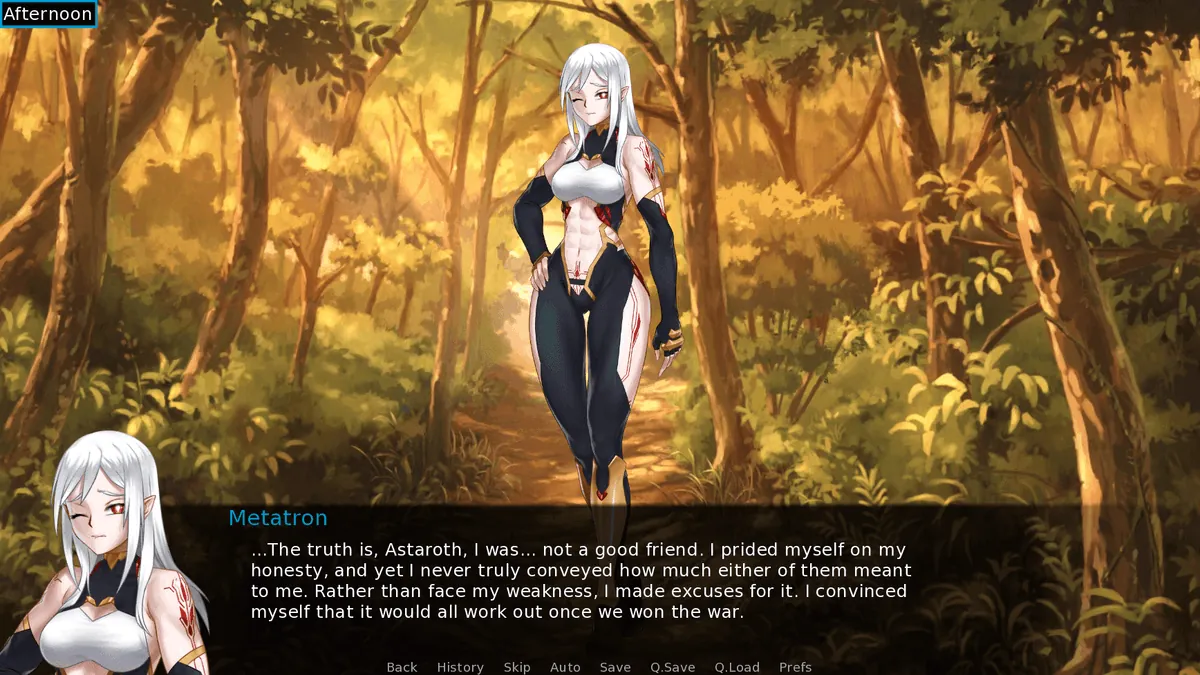
Divine Dawn Screenshots
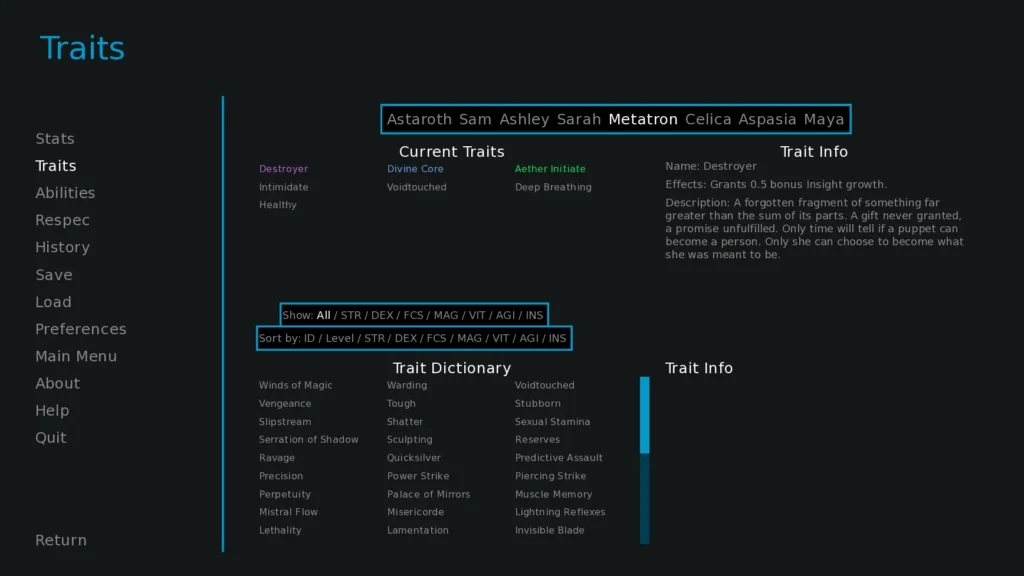


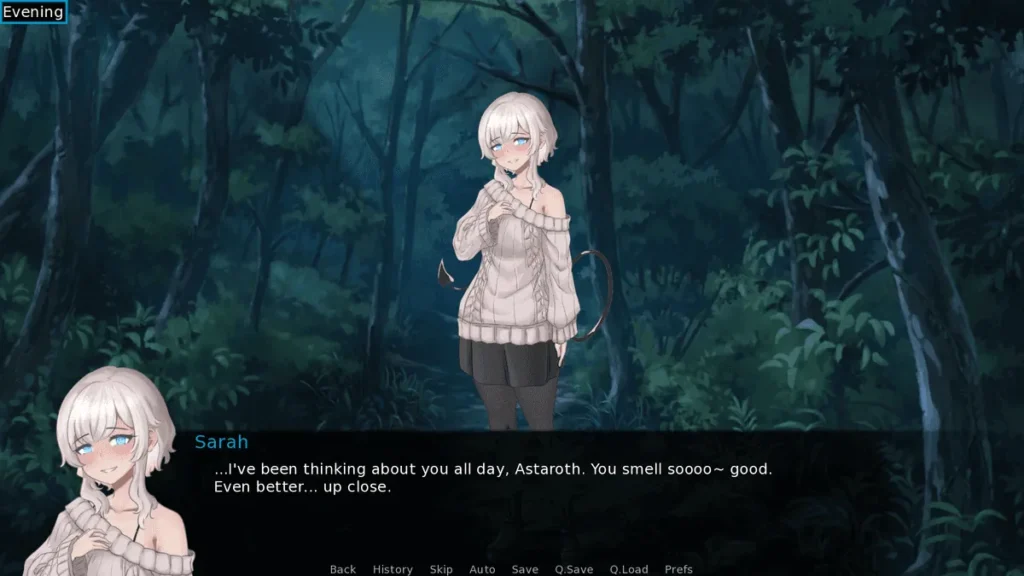
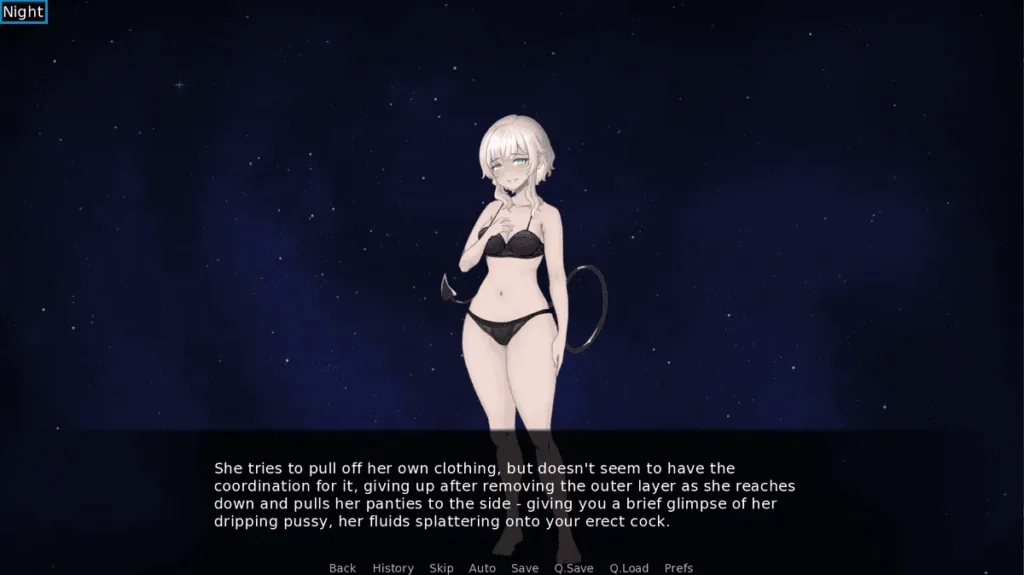
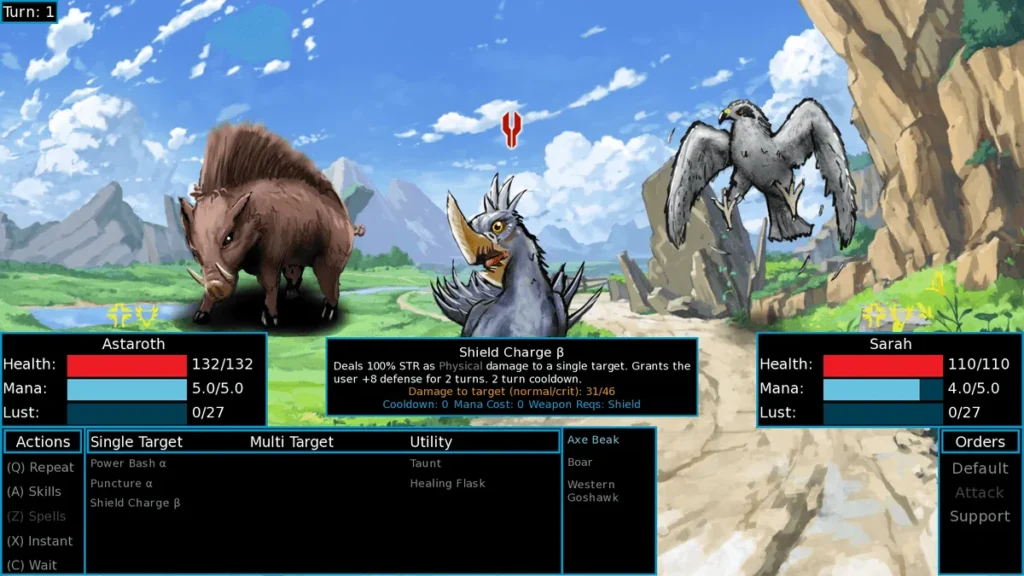
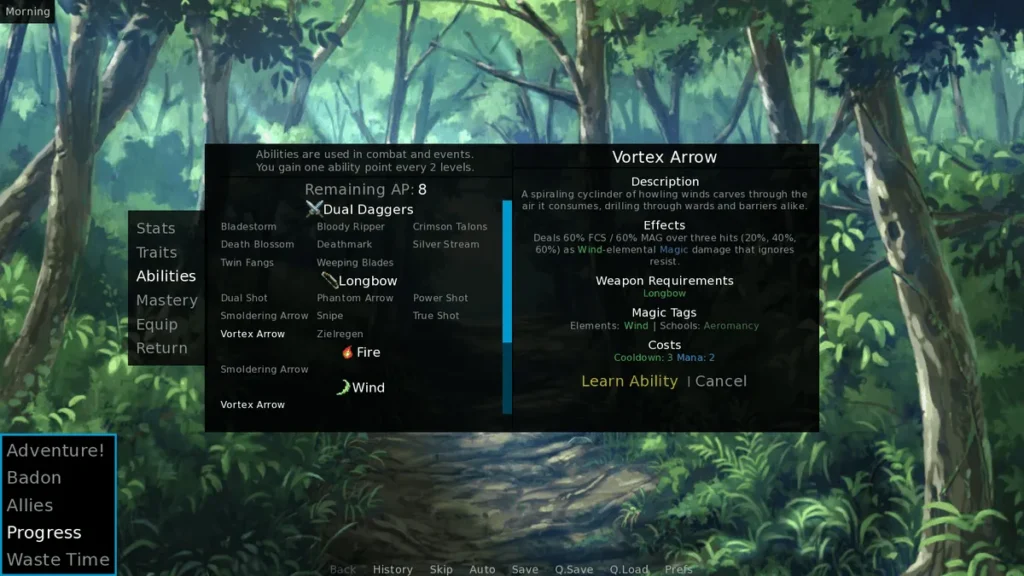
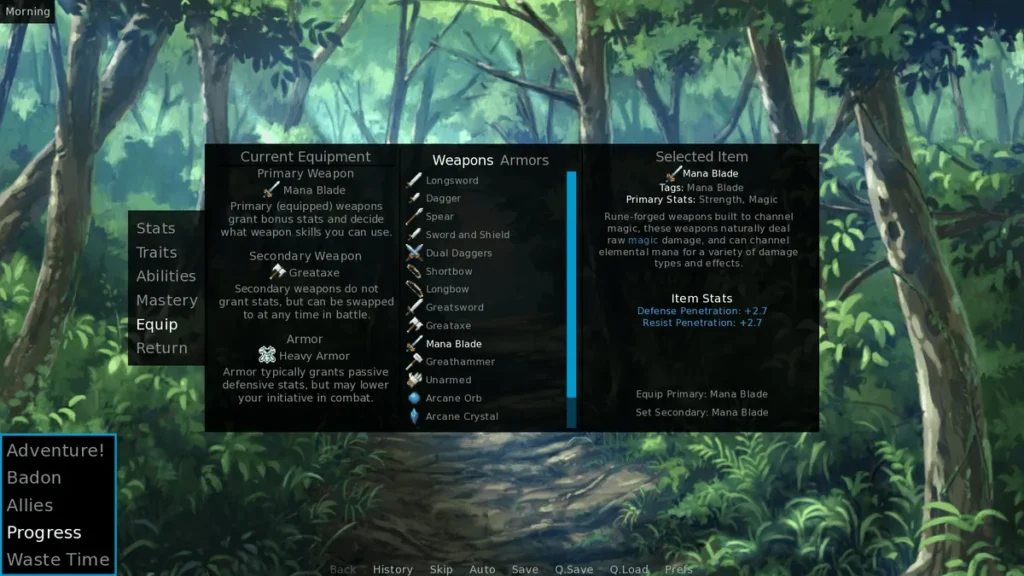

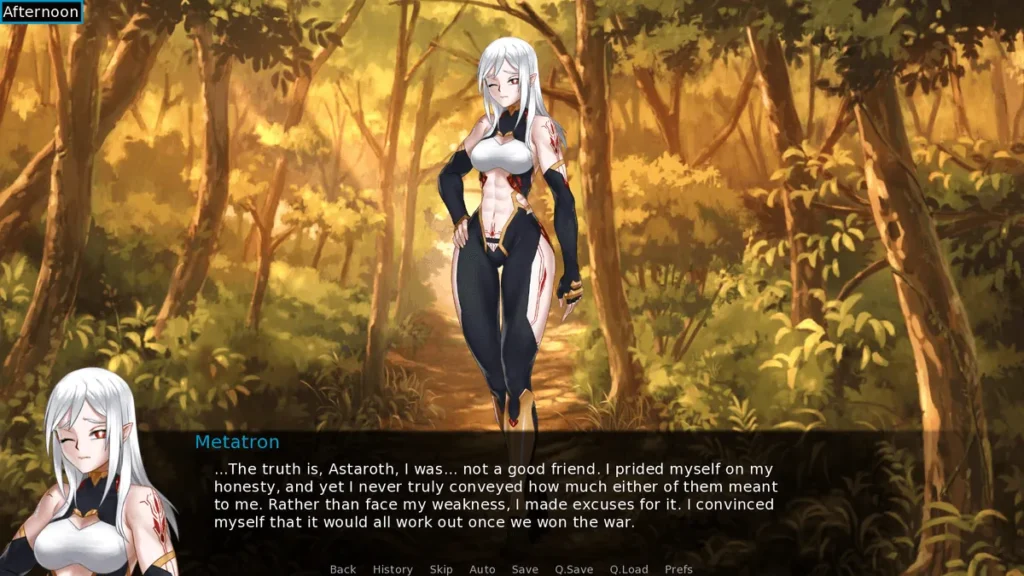

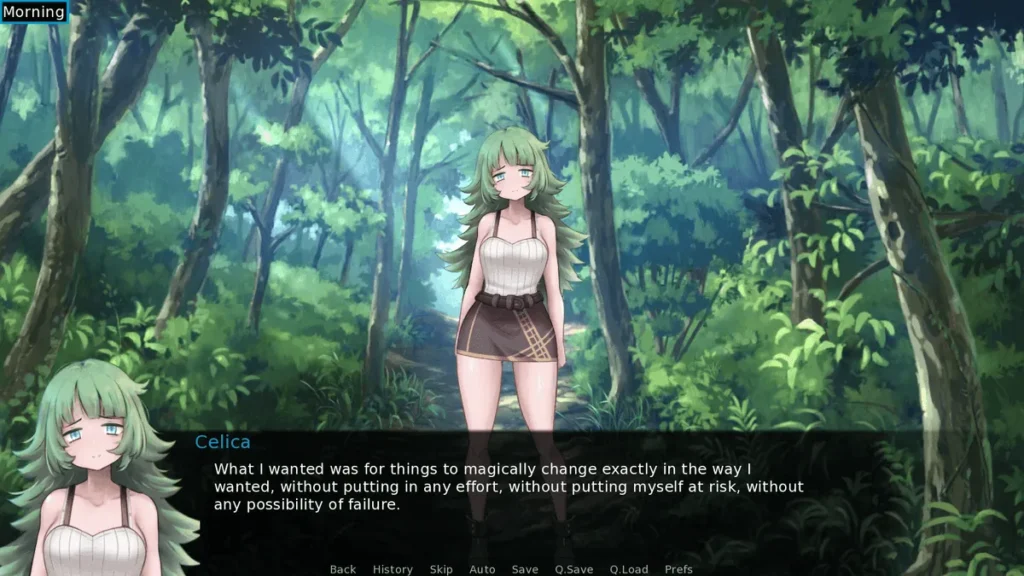
Divine Dawn review
Explore the narrative-driven experience that’s redefining indie game storytelling
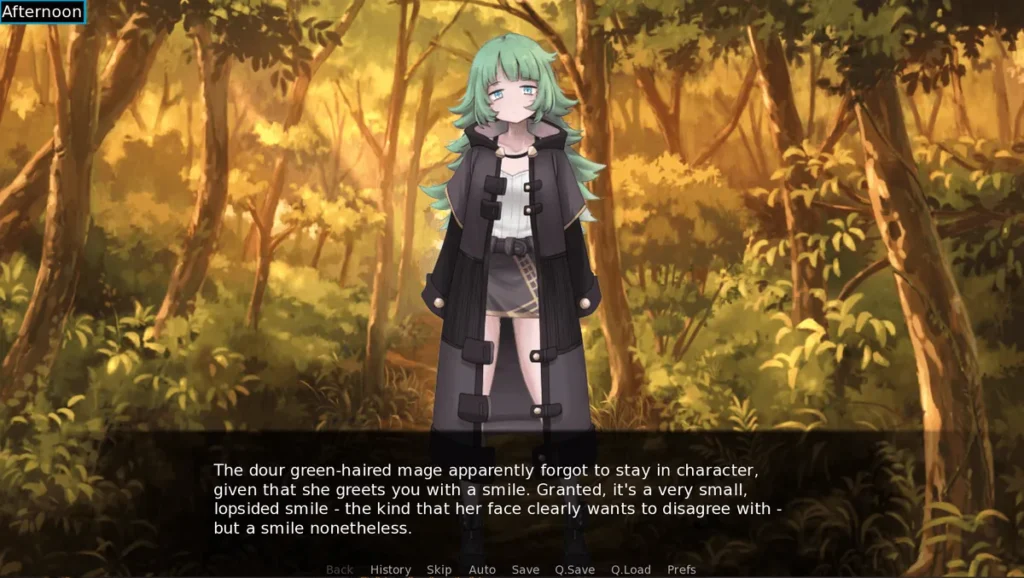
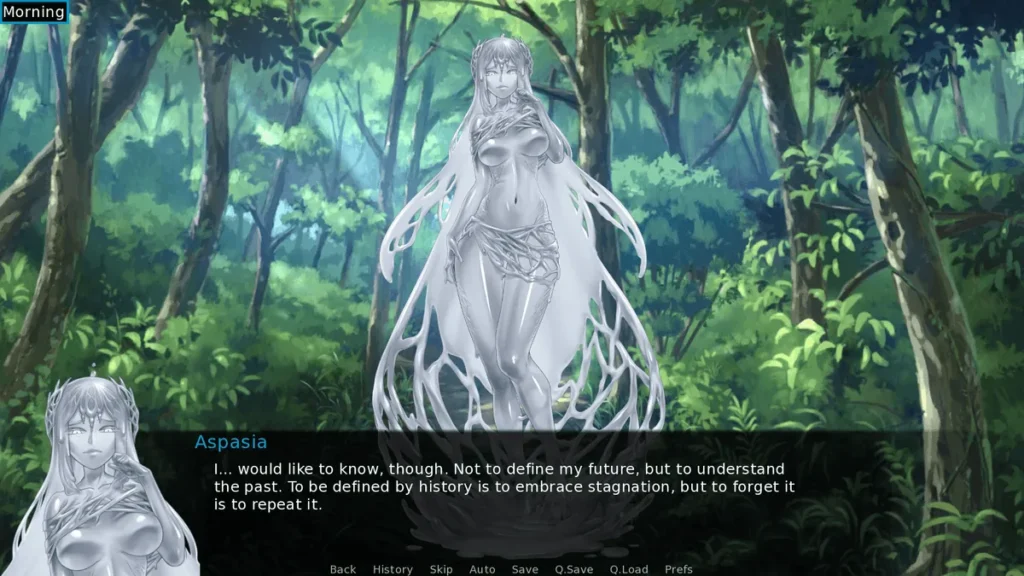
Divine Dawn stands out as a remarkable indie title that prioritizes storytelling and character development alongside engaging gameplay. Developed by a first-time creator, this game has garnered significant praise for its compelling narrative, well-crafted characters, and surprising depth. Unlike many games in its genre that rely solely on surface-level content, Divine Dawn weaves together meaningful choices, witty dialogue, and thoughtful world-building. Whether you’re interested in narrative-driven experiences, character-focused storytelling, or indie game innovations, this guide explores what makes Divine Dawn a standout title worth your time.
What Makes Divine Dawn’s Story and Characters Exceptional
You know that feeling when you finish a game and the characters feel like old friends you’re saying goodbye to? Or when a story stays with you for days, making you think about the choices you made? That’s the rare magic Divine Dawn captures, and it’s the reason this indie title is creating such a buzz. Forget predictable plots and cardboard cutouts; this is a masterclass in indie game storytelling that puts narrative soul front and center. 🎭
From the moment you arrive in the humble village of Oakhaven, you’re not just playing a game—you’re stepping into a living, breathing world where every conversation matters and every character has a history. The Divine Dawn story isn’t just a backdrop for gameplay; it is the experience, woven so intricately into every action that you feel personally invested in its outcome. Let’s explore what makes this narrative-driven journey so unforgettable.
The Narrative Depth That Sets Divine Dawn Apart
Most games tell you a story. Divine Dawn lets you live inside one. The difference is in the texture—the sophisticated, deliberate writing that treats you like an intelligent participant rather than a passive viewer. This isn’t about saving the world from a cliché evil lord; it’s about uncovering the fragile truths of a community on the brink, where moral boundaries are blurred and everyone has a motive.
The game’s vocabulary and prose are immediately striking. Dialogue flows naturally, yet carries a weight and maturity you don’t often see. Characters speak in distinct patterns that reflect their background, whether it’s the weary, metaphor-laden wisdom of the old blacksmith or the sharp, academic precision of the village scholar. This attention to linguistic detail does more than just sound nice; it builds immersion on a fundamental level. You believe in this world because the people in it sound real. ✨
What truly hooks you, though, are the early-game narrative anchors. Oakhaven isn’t a generic fantasy hub; it’s a place with palpable tension. A recent tragedy hangs in the air, trust is in short supply, and your arrival is met with a mix of hope and deep suspicion. You’re not the legendary hero—at least, not yet. You’re a stranger who must earn every ounce of respect and unravel mysteries that the villagers themselves are afraid to touch. This slow-burn, intimate start creates a powerful connection; you care about Oakhaven’s fate because you’ve walked its muddy paths and shared mead with its troubled residents.
The game also demonstrates a masterful balance in its tone. Yes, there are adult themes and situations—this is a world for mature players—but they are never gratuitous. A moment of dark humor might land perfectly to break tension, while a scene of genuine vulnerability happens without a wink or a nudge. It all serves the narrative-driven gameplay, making the world feel grounded and consequential.
My Take: I remember a early side-quest involving a seemingly simple dispute over a stolen chicken. The writing was so nuanced that what began as farce slowly revealed decades-old family resentment and class struggle within the village. It was hilarious, then heartbreaking, and it was entirely optional. That’s the depth we’re talking about.
Here are the key narrative strengths that form the bedrock of the Divine Dawn story:
- Sophisticated, Character-Driven Prose: Dialogue and descriptions are tailored to each person and situation, elevating the writing beyond functional text.
- Distinct, Believable Personalities: Every character, from major ally to minor shopkeeper, has a consistent voice and a life that seems to extend beyond your interactions with them.
- Perfectly Measured Humor: Wit and levity are used as precise tools to develop character and relieve tension, never undermining the story’s dramatic weight.
- Meaningful Player Agency: The narrative isn’t a railroad; it’s a web of paths shaped by your decisions, which we’ll delve into later.
Character Development and Meaningful Interactions
If the plot of Divine Dawn is the spine, then the Divine Dawn characters are its heart and soul. This is where the game’s philosophy on character development indie game efforts shines brightest. You won’t find any “quest giver” archetypes here. Instead, you’ll meet complex individuals with flawed histories, conflicting desires, and the capacity to surprise you.
Take Elara, the village’s outwardly stern huntress. A typical game might leave her as the tough, no-nonsense warrior. In Divine Dawn, your meaningful dialogue choices allow you to discover she’s a devoted older sister, secretly funding her sibling’s education in a distant city, and carrying guilt over a past failure that left her isolated. Her toughness isn’t just a personality trait; it’s a armor she’s built, and you can choose to help her shed it piece by piece through careful, empathetic conversations. 🏹
This level of depth is standard for the entire core cast. The game uses a system of relationship “threads”—not just a simple friendship meter. Your actions and words can strengthen a thread of “Trust” with one character while simultaneously weakening a thread of “Allegiance” with another who has opposing goals. It mirrors real human relationships, which are multi-faceted and often contradictory.
| Character | Initial Persona | Core Relationship Threads | Development Arc |
|---|---|---|---|
| Kaelen (The Scholar) | Arrogant, knowledge-obsessed outsider. | Respect, Curiosity, Skepticism | Learns humility and the value of practical wisdom vs. purely academic knowledge. |
| Mira (The Bartender) | Cheerful gossip and community rock. | Trust, Confidentiality, Camaraderie | Reveals herself as the village’s emotional archivist, holder of its deepest secrets and sorrows. |
| Thorne (The Guard Captain) | Duty-bound, weary, and suspicious. | Loyalty, Justice, Pragmatism | Confronts the conflict between blind duty to old laws and doing what is morally right for the people. |
Interactions feel meaningful because characters remember everything. Bring up a topic you learned about in a prior, seemingly casual chat, and they’ll react with surprise or appreciation. Make a promise and break it, and that “Trust” thread will fray, potentially locking you out of entire questlines or alternative solutions later. This creates an unparalleled sense that your social gameplay has real weight. You’re not just selecting dialogue options to get a reward; you’re building—or burning—bridges.
This approach is a hallmark of the best indie game storytelling. Without the budget for thousands of voice-acted lines, the team has doubled down on written depth and systemic reactivity, creating a role-playing experience that often feels more personal and responsive than many big-budget titles. You are directly shaping who these people become, and in turn, who your character is in their eyes.
Player Agency Through Impactful Choices
This brings us to the engine of it all: the brilliant player choice system. In many games, “choices” are illusions—cosmetic dialogue tweaks that funnel you back to the same plot point. Divine Dawn obliterates that convention. Here, your decisions in dialogue and action create genuine forks in the road, altering character destinies, shifting political alliances within Oakhaven, and determining the very themes of your version of the Divine Dawn story.
The system works on two levels: immediate character reaction and long-term narrative consequence. A choice in conversation will first trigger a visible shift in a character’s demeanor—a change in their posture, a new expression in their portrait, a line of dialogue that acknowledges your specific words. Then, that choice is logged, influencing how they and others will treat you hours later.
Let’s look at a specific example of how meaningful dialogue choices ripple through the game.
Example: The Theft Accusation.
Early on, you witness a young villager, Finn, accused of stealing medicine. You have several avenues:
* Option A (Accusatory): Side with the accuser, demanding Finn be punished. This gains immediate favor with the village elder and some citizens who want order.
* Option B (Compassionate): Hear Finn out. A skill check might reveal he stole for his sick mother. You can then choose to pay for the medicine yourself or help him work off the debt.
* Option C (Investigative): Suggest there’s more to the story. This might lead you to discover the medicine was spoiled by the negligent merchant, exonerating Finn and turning blame elsewhere.
The Impact: This isn’t a one-and-done event. If you chose A, Finn becomes a bitter antagonist, his family shuns you, and you lose access to a hidden area only they know. If you chose B or C, Finn becomes a loyal informant, giving you tips throughout the game. Furthermore, the merchant’s fate changes the village’s economic dynamics. The elder’s respect for you will differ based on whether you upheld harsh law or pursued true justice. This one minor scene can alter your relationships with at least five characters and open or close three different quest paths several chapters later.
This is the essence of narrative-driven gameplay. The gameplay is making these choices and witnessing their complex outcomes. You’re not grinding to get stronger for a final boss; you’re navigating a social and ethical landscape where your judgment is your primary tool. It makes every conversation feel like a compelling mini-game of strategy and empathy. 🧠
The player choice system ensures no two playthroughs are alike. You could play as a pragmatic leader who makes hard choices for the “greater good,” creating a stable but perhaps joyless Oakhaven. Or you could be a compassionate rebel, empowering the downtrodden but potentially fostering chaos. The game doesn’t judge you as “good” or “evil”; it simply shows the realistic, often bittersweet, consequences of your philosophy.
In the end, Divine Dawn stands as a towering achievement because it remembers what many games forget: we play role-playing games to inhabit a role. Through its exquisite writing, profound character work, and a choice system that truly matters, it delivers a powerful, personal, and deeply human experience. It redefines expectations for indie game storytelling, proving that the most compelling worlds are built not on polygons alone, but on the strength of their stories and the souls of the characters who live within them.
Divine Dawn represents a significant achievement in indie game development, proving that first-time creators can deliver experiences that rival established titles in quality and depth. The game’s commitment to meaningful storytelling, well-developed characters, and player agency creates an engaging experience that transcends typical genre expectations. From its sophisticated writing and character interactions to its substantial content offering and polished presentation, Divine Dawn demonstrates what’s possible when developers prioritize narrative excellence and player experience. Whether you’re a seasoned gamer seeking fresh indie experiences or someone new to narrative-driven games, Divine Dawn offers a compelling reason to invest your time. The game’s reception and critical acclaim suggest it’s not just another indie title—it’s a standout experience that deserves recognition and support from the gaming community.