Dreaming of Dana
Play Dreaming of Dana
Dreaming of Dana Screenshots
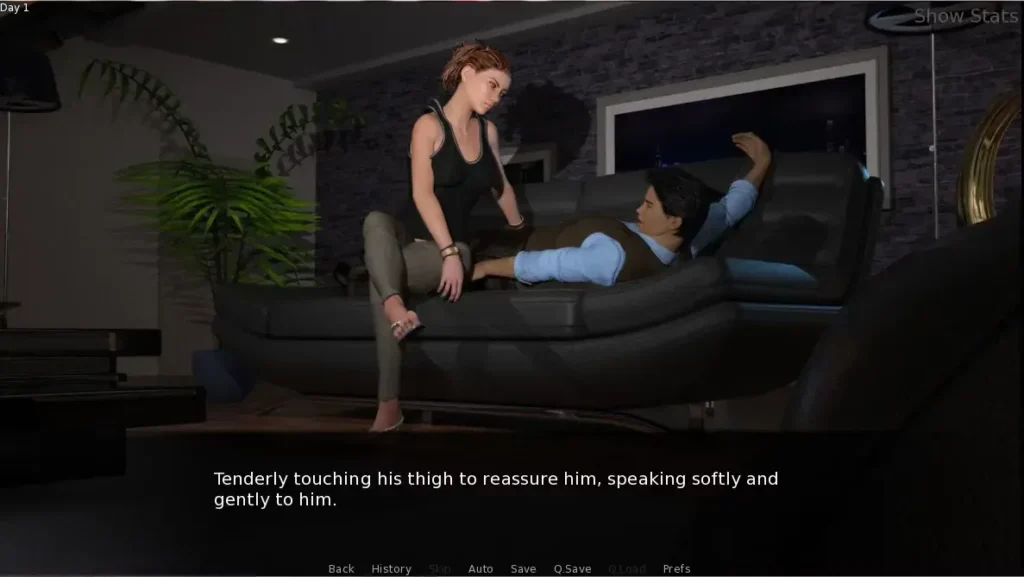
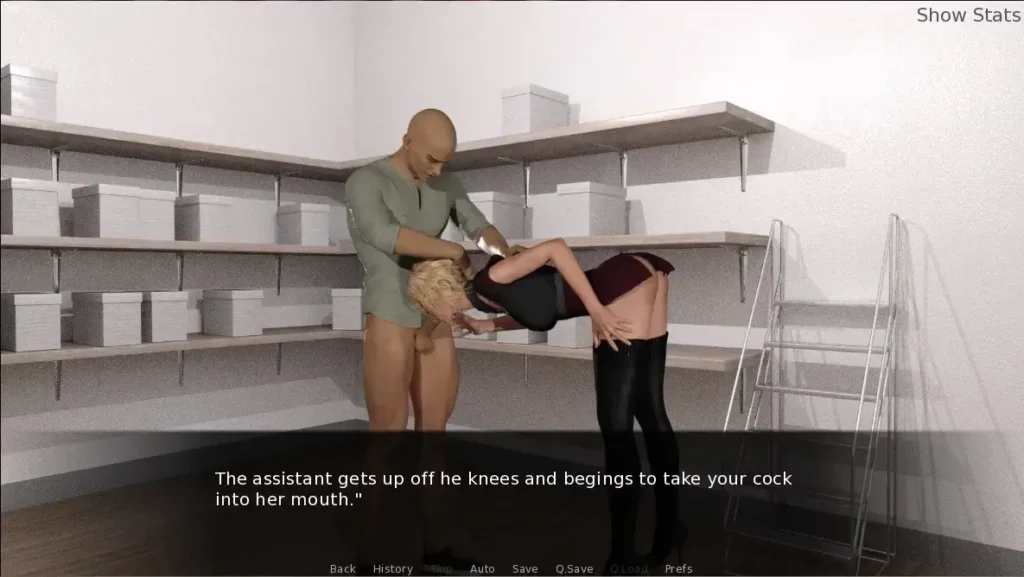
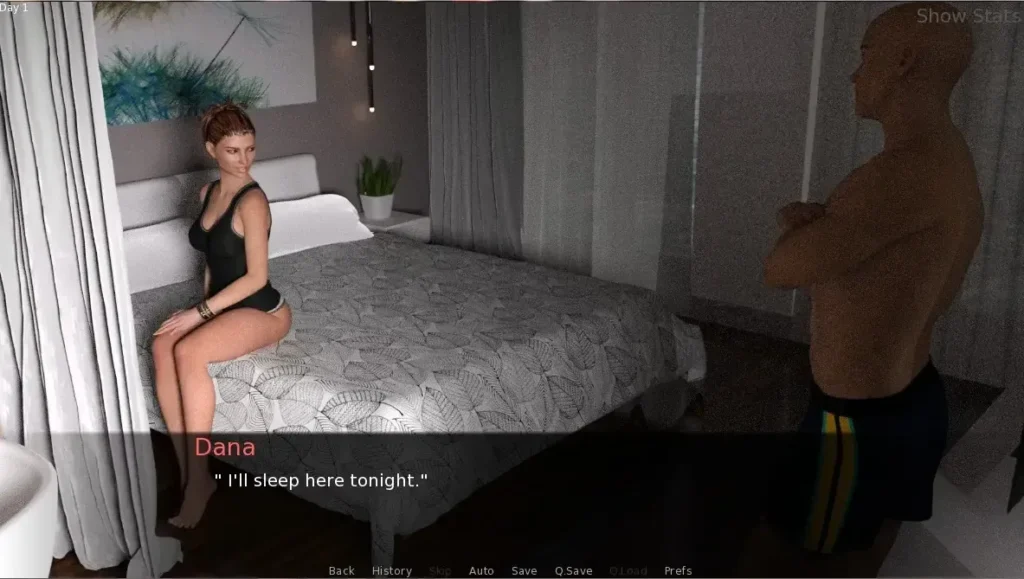
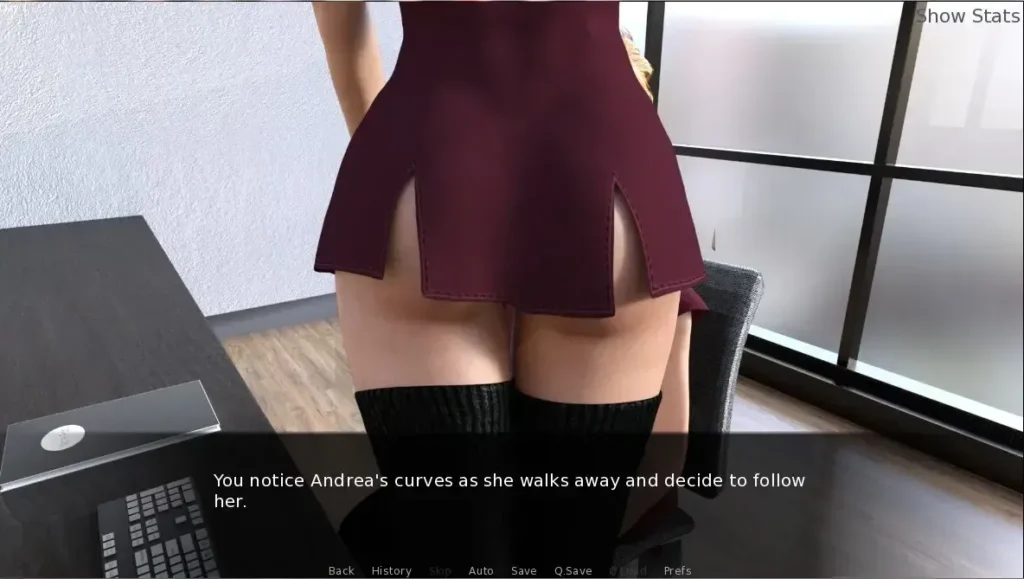
Dreaming of Dana review
A conversational deep dive into Dreaming of Dana, its characters, branching paths, and player strategies
Dreaming of Dana is a narrative-driven game that mixes slice-of-life storytelling, relationship building, and multiple choice-based paths. If you’ve just discovered Dreaming of Dana and are wondering what it’s really about, how the story unfolds, and whether it’s worth your time, this guide walks you through it in a friendly, spoiler-aware way. I’ll share what makes the game compelling, how its routes and choices work, and a few practical insights I wish I’d known before playing. Think of this as a conversation with a fellow player who has already spent hours in this world.
What Is Dreaming of Dana and Why Do Players Talk About It?
So, you’ve heard the name floating around forums or in recommendation lists, maybe seen some intriguing fan art, and now you’re asking yourself: “Okay, seriously, what is Dreaming of Dana?” 🤔 If you’re picturing a high-octane shooter or a sprawling open-world RPG, let’s reset those expectations. What you’re actually looking at is one of the most engrossing, character-driven visual novels I’ve played in a long time. At its heart, the Dreaming of Dana game story is a delicate, choice-filled exploration of ambition, expectation, and human connection.
Think of it as a beautifully written interactive drama. You step into the polished shoes of a young protagonist born into a world of wealth and legacy. Your path seems pre-ordained: manage the family empire, uphold its reputation, and fulfill a destiny written long before you were born. But what about your dreams? This internal conflict—between duty and desire—is the fertile ground where the entire Dreaming of Dana plot takes root. And right at the center of that personal storm is Dana, a character who becomes far more than just a love interest or a friend; she becomes the catalyst for your character’s entire journey of self-discovery.
Core premise and main storyline of Dreaming of Dana
Let’s pull back the curtain on the main setup. The Dreaming of Dana overview is deceptively simple on the surface. You live a life of curated luxury, but it’s a gilded cage. Your days are a mix of high-stakes business meetings, family obligations, and social functions where every word is measured. The game’s brilliance lies in its slice-of-life pacing. You don’t jump from one explosive plot point to the next. Instead, you move through in-game days, having conversations, making small decisions, and attending events. It’s in these quiet moments—a shared coffee break, a late-night chat, a tense family dinner—that the story truly unfolds.
The Dreaming of Dana game story isn’t about saving the world from a monster; it’s about navigating the complex world of your own life. A huge part of the narrative involves working with (or subtly pushing against) your family’s towering expectations. Will you be the perfect heir, or will you let your own ambitions and affections guide you? Dana enters this picture, and your growing connection with her starts to shift your perspective on everything you thought you wanted. The appeal is profoundly human: it’s in the authentic dialogue, the slowly revealed character layers, and the way your choices quietly steer the ship toward entirely different horizons.
So, why do players get so invested? It boils down to a few key hooks:
- The Story: It’s a compelling, personal drama that feels relatable even amidst the backdrop of extreme privilege. You’re fighting for your own future.
- The Characters: They are nuanced, flawed, and feel genuinely real. You want to learn their secrets and see how they react to your choices.
- The Choices: This isn’t about “good” or “evil” picks. It’s about subtle shifts in tone, loyalty, and affection that have massive ripple effects.
- The Replayability: With so many branching paths and locked scenes, one playthrough only shows you a fraction of the whole picture.
In essence, Dreaming of Dana is for anyone who loves to be an active participant in a rich story, where strategy isn’t about combat stats, but about understanding people and nurturing relationships over time.
How the characters and relationships shape the experience
If the premise is the stage, then the Dreaming of Dana characters are the unforgettable actors who bring it to life. This isn’t a story with a cast of hundreds; it’s an intimate portrait of a small social circle, and every single person in it serves a purpose. Let’s break down the key groups that you’ll be spending your virtual life with.
First, you have your character. While you can project your own feelings onto them, they have a defined background and personality—ambitious, perhaps a bit stifled, and at a crossroads. Your choices shape their moral compass and their heart’s direction.
Then, of course, there’s Dana. To call her just a “love interest” is a massive disservice. She’s complex, with her own goals, insecurities, and history that slowly unravels as you grow closer. Your relationship with her is the narrative’s core axis, but it can evolve in many directions: deep friendship, passionate romance, tense rivalry, or even estrangement, based entirely on how you treat her and the situations you create together.
Surrounding this central duo is the rest of the cast, who each bring a different flavor to your journey:
| Character Group | Their Role & Vibe | How They Influence the Story |
|---|---|---|
| Family Members 👨👩👦 | The source of drama and pressure. These interactions are often tense, layered with history and unspoken expectations. | Your choices with family directly impact your resources, reputation, and which narrative doors remain open or slam shut. |
| Co-workers & Business Contacts 💼 | A mix of professional ambition and lighthearted banter. Some are allies, some are snakes in suits. | They create subplots about career power struggles and provide alternative paths for your protagonist’s ambition outside the family shadow. |
| Close Friends & Acquaintances 🍹 | The providers of relief, gossip, and romantic tension. These are your confidants and sometimes, your options for flirtation. | They offer crucial advice, can become romantic alternatives to Dana, and their loyalty often depends on how much time and honesty you invest in them. |
This ecosystem of relationships is what makes every decision pulse with meaning. The game uses a hidden affection and influence system. Being kind to a family member might raise your “Family Approval” stat, unlocking a scene where they offer you crucial help. Choosing to spend your afternoon with a friend instead of studying a business report might deepen that friendship, revealing a side plot that gives you valuable insight into Dana’s past.
It’s a brilliant, interwoven web. You might replay just to see what happens if you snub your father’s advice, or to discover the scenes that only unlock if you’ve built a strong enough bond with a specific co-worker. The Dreaming of Dana characters don’t just populate the world; they are the world, and your journey is defined by how you connect with them.
My first impressions: what stood out when I started Dreaming of Dana
Alright, confession time. 🥸 When I first booted up Dreaming of Dana, I wasn’t sure what to expect. “Wealthy heir simulator” didn’t immediately scream “engaging gameplay” to me. The first few in-game days felt… deliberate. Peaceful, even. I was going through motions: choose an outfit, attend a meeting, make small talk at a party. I’ll be honest, I wondered if the pace would ever pick up.
But then, something clicked. I wasn’t just clicking through dialogue; I was starting to listen. The writing was sharp, layered with subtext. A character’s offhand comment about the weather felt like a coded message about their mood. My protagonist’s internal monologue began to feel like my own. I realized this slow burn was intentional—it was building the atmosphere of a tightly controlled life where every small rebellion matters.
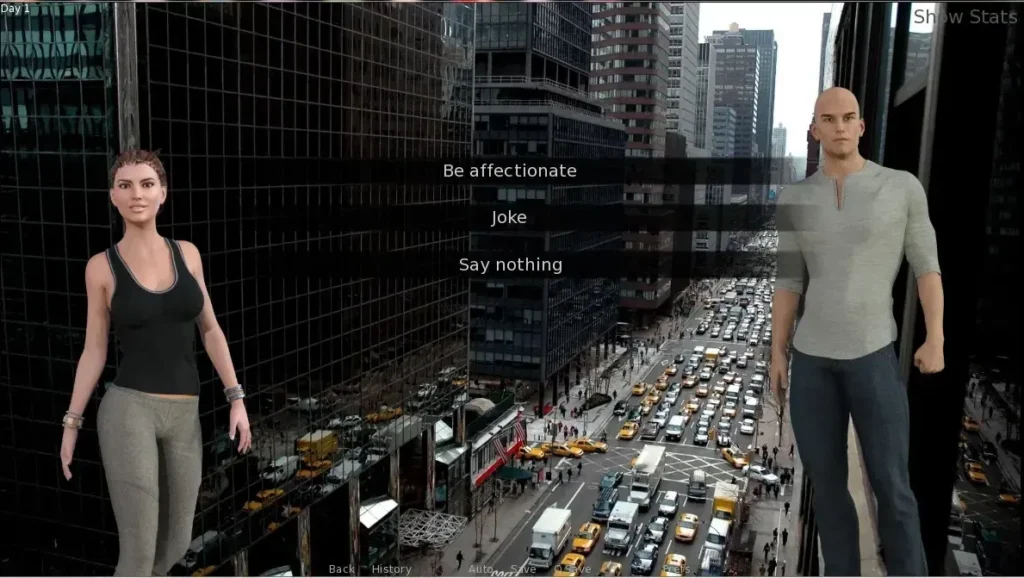
The moment the game hooked me for good was during an early, seemingly trivial interaction with Dana. It was just a chance meeting in a library. The conversation options popped up:
A) “This section is usually quieter. Mind if I join you?”
B) “Fancy meeting you here. Stalking my reading habits?”
C) Nod politely and find a seat farther away.
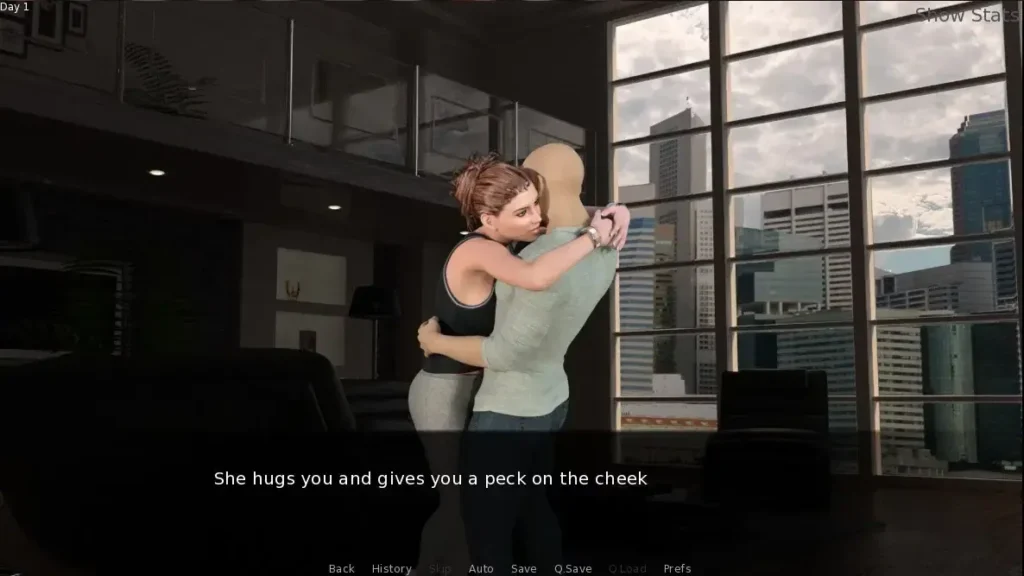
I chose option A, friendly and open. We had a lovely chat about books. A few days later, because of that positive interaction, I received an invitation to a small gallery opening from her—a scene that was heartwarming and full of personal details. On my second playthrough, just to experiment, I chose the teasing option B. Dana’s response was sharper, more guarded. And that gallery invitation? It never came. Instead, our next meeting was more formal and distant.
That was my “aha!” moment. 🙌 A tiny, seemingly insignificant choice in a library had silently set a flag. It altered the relationship trajectory, locking me out of one scene and enabling another. It made me sit back and think, “Whoa. I need to actually consider these people as if they’re real.” My playstyle shifted from casual browsing to thoughtful engagement. I started thinking about my character’s personality and what I wanted for them, rather than just picking what I, the player, thought was funny in the moment.
This is the magic of Dreaming of Dana. It rewards emotional investment and strategic relationship-building. The initial slice-of-life pace isn’t a flaw; it’s the calm before the emotional storm, the necessary foundation that makes the big, branching payoffs so satisfying. It teaches you that in this world, strategy is empathy, and your most powerful tool is your ability to understand and connect with the people around you.
So, is Dreaming of Dana worth playing? If you’re looking for a game that hands you a gun and an objective marker, maybe not. But if you want to be pulled into a nuanced, character-driven story where your choices carry real narrative weight and you find yourself genuinely thinking about these digital people hours after you’ve stopped playing, then the answer is a resounding yes. It’s a unique and deeply rewarding experience for anyone who believes that the most compelling stories are about the human heart, not just the hero’s sword.
Dreaming of Dana is ultimately about more than just ticking options in a menu. It’s a slow-burning, character-focused journey where your choices shape how close you become to Dana and how your privileged protagonist grows or stagnates. If you enjoy visual novels that reward careful decisions, patience, and emotional investment in the cast, Dreaming of Dana is worth a serious look. As you dive in, pay attention to the small moments, experiment with different paths, and don’t be afraid to replay. That’s where the most interesting, personal stories in this game really start to emerge.