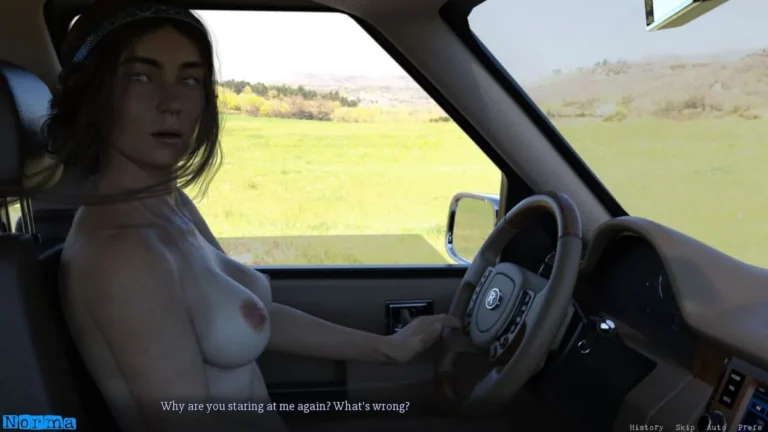
Gates Motel
Play Gates Motel
Gates Motel Screenshots






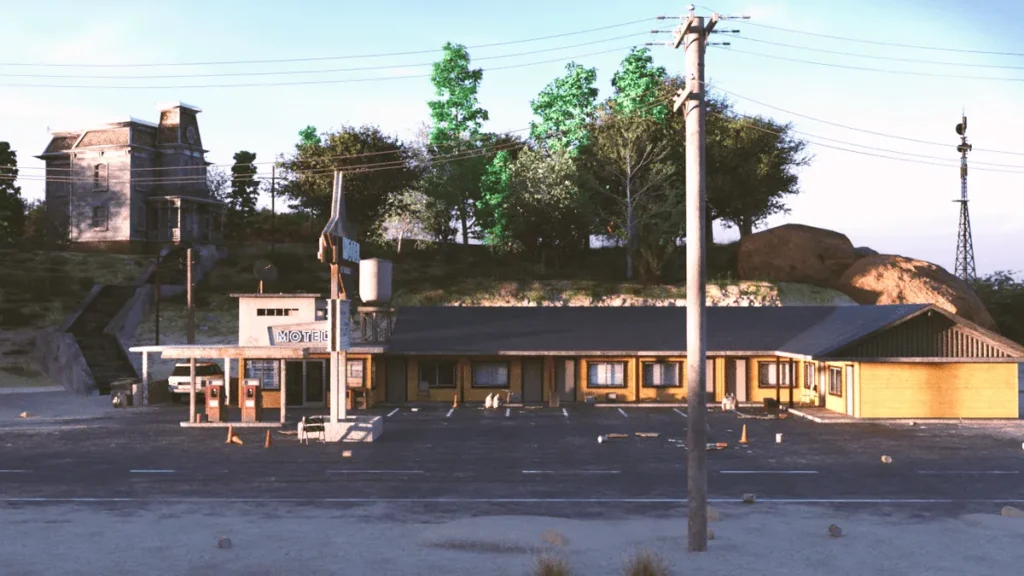
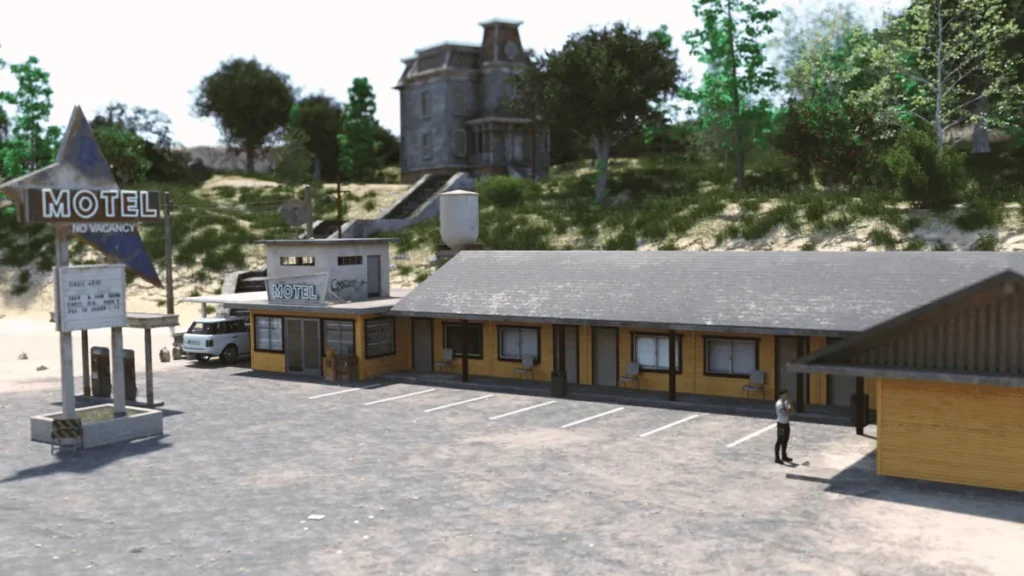
Gates Motel review
Explore the immersive mystery, puzzle mechanics, and branching narrative of this atmospheric interactive experience
Gates Motel stands out as a unique interactive experience that combines atmospheric storytelling with engaging puzzle-solving mechanics. This guide explores everything you need to know about the game’s core systems, from its slow-burn narrative to its intricate environmental puzzles. Whether you’re curious about the decision-making mechanics, inventory management, or the mysterious storyline that unfolds throughout your stay at the motel, this comprehensive overview covers all the essential elements that make Gates Motel a captivating gaming experience. Discover how your choices shape the narrative and what makes this interactive adventure worth exploring.
Understanding Gates Motel: Core Gameplay Mechanics & Systems
Stepping into the rain-slicked parking lot of the Gates Motel for the first time, I felt that delicious mix of intrigue and dread. 🕵️♂️ I knew I was there to uncover a mystery, but what I didn’t realize was how deeply the game’s systems would pull me in. It wasn’t just about finding clues; it was about learning to think like the motel itself—to listen to its creaks, interpret its stains, and understand its rhythm. The core Gates Motel gameplay mechanics aren’t just a means to an end; they are the experience, weaving exploration, puzzle-solving, and choice into a single, haunting tapestry.
If you’re ready to move from being a passive visitor to an active detective within its crumbling walls, let’s break down exactly how this unforgettable journey works. 🌧️🔑
What Makes Gates Motel’s Exploration System Unique?
Forget open worlds filled with map markers. The Gates Motel exploration system is a masterclass in purposeful, atmospheric discovery. You navigate the property in first-person, and every squeaking floorboard, every flickering neon sign, and every locked door feels deliberate. This isn’t a space you sprint through; it’s a place you learn, room by room, secret by secret.
What truly sets it apart is how the environment itself is a dynamic participant. The time of day and weather aren’t just for show—they directly control your access and influence the puzzles. I learned this the hard way. Early on, I found a rusted fuse box outside, but its wiring was a soaked, sparking mess in the pouring rain. It was only after I spent an in-game day investigating interior clues that the storm passed, allowing me to safely interact with it and restore power to a wing of the motel. This taught me a vital lesson: progression in Gates Motel is often gated by your own patience and observation. You might need to examine a clue in the stark morning light to see a hidden inscription, or wait for the eerie quiet of midnight to hear the faint scratching coming from behind a wall.
The exploration feeds directly into every other mechanic. You’re not just sightseeing; you’re building a mental map of connections. That faded postcard in Room 7? It shows a landmark you can spot from the window of the laundry room. The strange chemical smell in the lobby? It matches the description in a journal entry found in the manager’s office. The game trusts you to make these connections yourself, rewarding careful attention with profound “aha!” moments. This approach is a hallmark of the best environmental storytelling games, where the history and secrets of a place are baked into its very walls, waiting for a curious mind to piece them together.
How Do Puzzle Solving and Inventory Management Work?
This is where the rubber meets the road—or rather, where the rusty key meets the stubborn lock. The interactive game puzzle solving in Gates Motel is logical, satisfying, and deeply integrated with the world. Nothing feels like a random minigame slapped onto the experience. Every challenge arises naturally from the setting and the story.
Your primary tool for tackling these challenges is a deceptively simple inventory management game system. You’ll collect a myriad of items: physical objects like keys, tools, and artifacts, as well as informational items like notes, photographs, and torn diary pages. The brilliance lies in how these two types interact. You can’t just pick up a crowbar and assume it’s for prying open any old door. You might first need to read a maintenance report mentioning a stuck window in Room 213, then realize the crowbar in your inventory is the perfect solution.
Let me give you a concrete example of how this all flows together, using the now-iconic squeaky floorboard. Early in my playthrough, I was meticulously checking Room 13. Beneath a threadbare rug, I heard a distinct creak. The game didn’t flash an icon or give me a prompt; it just let the sound exist. Later, while rummaging through the motel’s cluttered storage shed, I found a pry bar and a crumpled note from a former handyman. The note complained about “that loose board in 13 always coming up, had to nail it down twice.” 🤔
That was my eureka moment. I connected the environmental clue (the squeak) with the inventory item (the pry bar) and the informational clue (the note). Returning to Room 13, I used the pry bar on the specific floorboard panel that had squeaked. Underneath, I found a hidden key taped to a joist. This key unlocked a drawer in the lobby desk, which held a ledger that completely changed my understanding of a major character. This process—observation, collection, connection, and execution—is the beautiful, core loop of how to solve Gates Motel puzzles.
Pro Tip: Your inventory isn’t a junk drawer. Regularly review your notes and items. The solution to a puzzle blocking your path is almost always something you already have; you just haven’t made the connection yet.
To see how these core systems compare and support each other, let’s look at them side-by-side:
| Core Mechanic | Description | Player Impact & Skill Developed |
|---|---|---|
| Exploration | First-person navigation of the motel grounds, with access dynamically influenced by time of day, weather, and story progress. | Fosters patience, environmental awareness, and spatial reasoning. You learn to “read” the space. |
| Inventory & Puzzle Solving | Collecting physical items and informational clues, then logically combining them to overcome obstacles and unlock secrets. | Trains deductive reasoning, memory, and hypothesis testing. Turns the player into an active detective. |
| Decision-Making | Making choices through dialogue options, actions (to help or hinder characters), and the order in which you uncover secrets. | Creates narrative agency and emotional investment. Your curiosity or caution directly shapes the story. |
The Impact of Decision-Making on Your Gates Motel Experience
While exploration and puzzles define your interaction with the place, your branching narrative choices define your relationship with its people and, ultimately, the truth you uncover. Gates Motel masterfully avoids simple “good vs. evil” decisions. Instead, you’re faced with nuanced dilemmas based on trust, curiosity, and moral ambiguity.
These choices aren’t always grand, dramatic pronouncements. Sometimes, they’re subtle: Do you read a character’s private letter when you have the chance? Do you return a lost item you know is valuable, or keep it as potential leverage? Do you share a crucial piece of information you’ve discovered, or hoard it for your own purposes? Each action subtly shifts how characters perceive you and what paths they allow you to walk.
Let’s talk about a major junction that perfectly illustrates this system: your encounters with the elusive, shadowy figure near the old pool area. 🌊👤
In my first playthrough, driven by a detective’s bravado, I chose to approach them directly and confront them with evidence I’d found. I made the choice to trust my ability to talk my way out of trouble. This opened a path—they saw me as a serious investigator and begrudgingly offered information, but in return, they demanded a favor that later forced me to compromise another character. My story became one of uneasy alliances and moral compromise.
On a second run, haunted by the consequences of my first, I chose caution. I observed the figure from a distance, gathered more context from other sources first, and ultimately used the motel’s environment to circumvent them entirely (by, for instance, restoring power to a different area to access a back route). This avoided their quest line completely, leading me to discover a different, more solitary set of clues about the motel’s history. The core mystery’s “solution” was technically the same, but the emotional journey, the characters I allied with, and the personal cost were utterly different.
This is the power of branching narrative choices. They ensure that your Gates Motel gameplay mechanics serve a story that feels uniquely yours. The puzzles you solve and the rooms you explore remain constant, but their meaning changes based on the decisions you weave into them. The game remembers everything, and no two players will have an identical dossier on the Gates Motel by the time the final credit rolls.
Ultimately, the genius of Gates Motel is in how these three pillars—exploration, puzzle-solving, and decision-making—are not separate lanes but interwoven threads. Your exploration provides the clues for your puzzles. Solving those puzzles unlocks new areas to explore and new information that informs your decisions. And every choice you make reshapes the context of everything you’ve found and will find. It’s a deeply immersive, self-reinforcing loop that transforms you from a player into a resident, if only for a little while. To master the Gates Motel gameplay mechanics is to learn the language of its ghosts, and to write your own verse in its long, mysterious history. 🗝️📖
Gates Motel delivers a compelling blend of atmospheric exploration, challenging puzzles, and meaningful decision-making that creates a truly immersive interactive experience. The game’s strength lies in how its core mechanics—exploration, inventory management, and branching choices—work together to craft a narrative where your actions genuinely matter. From uncovering cryptic notes to solving environmental puzzles, every element serves the larger mystery of the motel’s closure and the disappearance of its guests. The level of detail and the way the game rewards careful observation and strategic thinking make it a standout title for players who appreciate narrative-driven experiences with substance. If you’re drawn to slow-burn suspense, environmental storytelling, and games where your choices reshape the path forward, Gates Motel offers an engaging adventure worth experiencing.