Jessica O’Neil’s Hard News
Play Jessica O’Neil’s Hard News
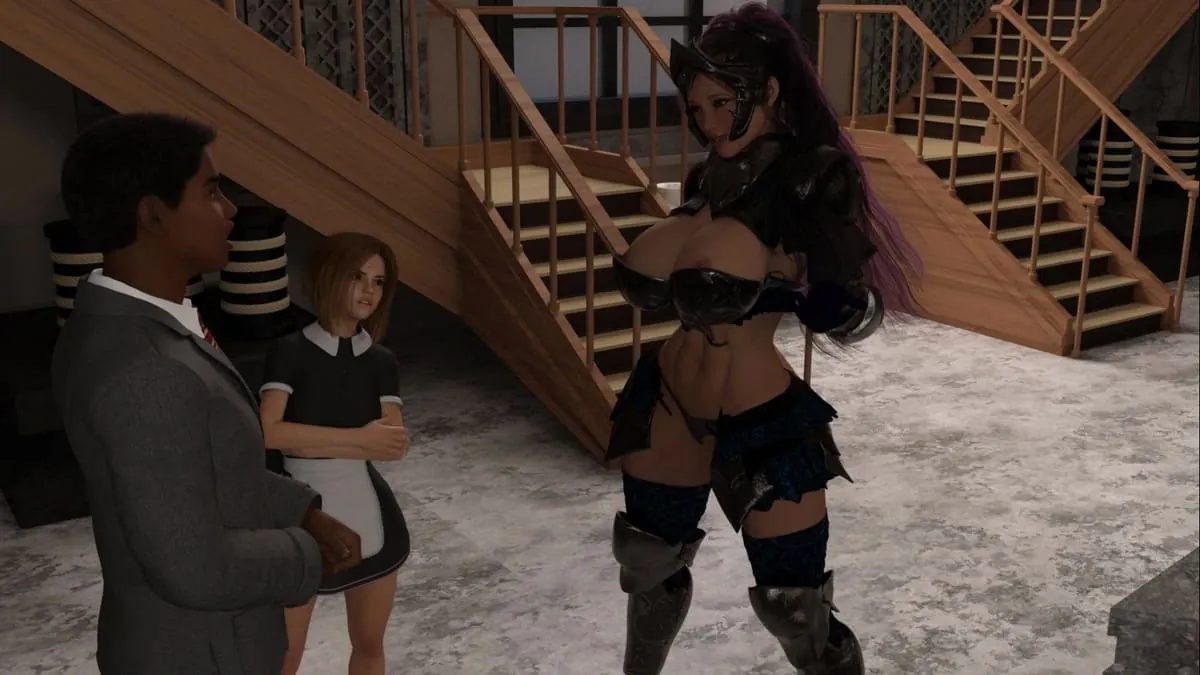
Jessica O’Neil’s Hard News Screenshots








Jessica O’Neil’s Hard News review
Dive into the Gripping Story of a Bold Journalist in This Immersive Game
Ever wondered what it’s like to step into the shoes of a determined 25-year-old journalist chasing scoops in a futuristic world? Jessica O’Neil’s Hard News pulls you right into that thrill. As Jessica, you’ll navigate high-stakes investigations, make tough choices, and uncover scandals that could make or break careers. This story-driven gem blends sci-fi vibes with deep narrative choices, keeping you hooked from the first clue. I’ve spent hours piecing together its mysteries, and let me tell you, the twists hit hard. Ready to explore Jessica O’Neil’s Hard News gameplay and secrets? Let’s get started on your adventure.
What Makes Jessica O’Neil’s Hard News So Addictive?
I still remember the weekend I disappeared into Jessica O’Neil’s Hard News. 😅 It was a rainy Saturday, and I was scrolling through new narrative games, craving something with real substance. The description hooked me immediately: “Step into the shoes of a 25-year-old investigative journalist at the dawn of her career.” As someone who loves a good mystery, I was sold. What I didn’t expect was to spend the next eight hours utterly lost in the grimy, neon-lit corridors of the Metropolitan Chronicle, feeling the weight of every decision Jessica made. That’s the magic of this investigative journalist game—it doesn’t just tell you a story; it makes you live it.
So, what is Jessica O’Neil’s Hard News at its core? It’s a gripping, choice-driven narrative experience where you aren’t just following a reporter—you are the reporter. You navigate a near-future city pulsing with corporate intrigue and dark secrets, where every source you cultivate, every piece of evidence you log, and every headline you write shapes the world around you. It’s a masterclass in immersion, and I’m here to break down exactly why it’s so incredibly addictive.
Who Is Jessica O’Neil and Her Journalism Journey?
When you first meet Jessica O’Neil, she’s brilliantly ambitious but also refreshingly real. 🎤 She’s not a world-weary cynic; she’s a talented rookie buzzing with that potent mix of idealism and nerves, determined to prove herself at the Chronicle. Her Jessica O’Neil journalist career is just beginning, and the game does a phenomenal job of making you feel the stakes of that. You feel the pressure from her editor, the skepticism from seasoned colleagues, and the tantalizing possibility of that one big break.
Her background is carefully woven into the environmental storytelling. Glimpses of her apartment—awards from college journalism, a half-written personal essay on her tablet, messages from family—paint a picture of a woman driven by a deep-seated need for truth. This isn’t just a job for her; it’s a calling. The initial challenges are perfectly scaled. You’re not taking down a government on day one. You’re chasing down a corrupt city councilor, verifying a tip about unsafe housing, and learning the mechanics of the newsroom. This gradual build makes her eventual plunge into the game’s central, universe-spanning conspiracy feel earned and incredibly personal.
Her motivation is your motivation. Do you play her as a pragmatist, willing to bend a few rules to get the story? Or as an idealist, risking everything for unassailable integrity? The foundation of the entire Jessica O’Neil game story is built on this relatability. You care about her climb because you’re doing the climbing.
“A story isn’t a weapon until you publish it. But once you do, you better be sure who you’re aiming at.” — Jessica O’Neil, in-game dialogue. This line stopped me cold during a pivotal moment. It perfectly captures the game’s central ethical dilemma. It’s a powerful reminder that in Jessica O’Neil’s Hard News, journalism is portrayed not as a passive act of observation, but as an active, often dangerous, force for change.
Key Story Elements and Sci-Fi Twists in the Game
Let’s talk about the world. While the game starts with the familiar scent of printer ink and stale coffee, it quickly introduces its brilliant Hard News sci-fi narrative. 🛸 We’re not talking about starfighters and aliens, but a grounded, near-future sci-fi that feels chillingly plausible. Think advanced neural implants that record memories, megacorporations with more power than governments, and a hidden layer of digital reality over our own. The sci-fi elements aren’t just set dressing; they’re integral to the mysteries you investigate.
The plot unfolds through classic investigative work that feels incredibly satisfying. You’ll:
* Hunt for evidence in detailed environments, using a futuristic toolset to scan for digital traces and reconstruct events.
* Conduct character interviews with dynamic dialogue trees where your approach (confrontational, sympathetic, deceptive) directly influences what people reveal.
* Piece together clues on your office pinboard, physically connecting threads of information until the bigger picture horrifyingly emerges.
A huge part of the immersion comes from the environmental storytelling and audio logs. Finding a discarded employee badge in a restricted lab or listening to a frantic, encrypted message from a missing source—these moments build the world in a way exposition never could. The audio logs, in particular, are narrative gold. They’re not just collectibles; they’re vital pieces of the human puzzle, offering raw, unfiltered glimpses into the lives tangled up in your story.
Without spoilers, the central mystery expertly blends corporate espionage with mind-bending technological concepts. One moment you’re tracking financial discrepancies, the next you’re questioning the very nature of witnessed reality. This seamless blend of hard-nosed journalism and sleek sci-fi is what makes the Jessica O’Neil game story so uniquely compelling.
Why Player Choices Define Your Hard News Experience
This is where Jessica O’Neil’s Hard News truly shines and becomes more than a story—it becomes your story. The tagline should honestly be “Hard News player choices matter,” because they absolutely do, in profound ways. This isn’t an illusion of choice; it’s a cascade of consequences.
You will face genuine journalistic integrity dilemmas that have no easy answer. Do you publish a story with partially verified information to stop an imminent threat, potentially ruining an innocent person’s life? Or do you hold back, seeking full confirmation while the danger grows? Do you protect a confidential source who may have blood on their hands? The game records your major decisions in Jessica’s profile, labeling your ethical stance, and the world—through headlines, character reactions, and even the tone of Jessica’s own private musings—reflects your path.
I’ll never forget my first major choice. I had damning evidence about a powerful CEO, but my source, a terrified lab tech, begged me to keep their name out of it. Publishing would almost certainly get them fired or worse. I chose to run the story, redacting their identity as best I could. The fallout was immediate and devastating. My source was identified through circumstantial evidence and publicly disgraced. The CEO was shaken, but my “victory” headline tasted like ash. It was a shocking, powerful lesson in unintended consequences that pure storytelling could never deliver with such impact.
This leads to incredible replay value. My second playthrough was a completely different experience. I played Jessica as more cautious, more strategic with her alliances, and the story unfolded in new directions, with different characters surviving or thriving, and a totally new ending that cast the entire narrative in a different light.
Practical Advice for a New Playthrough:
* Commit to a Role: Before you start, decide. Are you a “Truth at Any Cost” journalist or a “Protect the Innocent” reporter? Stick to it as much as possible.
* Talk to Everyone (Again): On a replay, use different dialogue options. That rude security guard might become a valuable ally if you approach him with respect instead of authority.
* Explore Opposite Choices: If you published a sensitive document first time, try sitting on it. See how the conspiracy adapts when it’s not under immediate public scrutiny.
To visualize how these systems interconnect, here’s a breakdown of the core features that make your choices so impactful:
| Feature | Description | Player Impact |
|---|---|---|
| Evidence Collection & Analysis | Using tools to find physical/digital clues and piece them together on your case board. | Determines which story angles are available to pursue and publish. Missing key evidence can lock you out of entire plot threads. |
| Dynamic Dialogue Trees | Conversations with multiple approaches (Empathize, Pressure, Barter, etc.). | Directly affects source loyalty, information quality, and can turn NPCs into allies or enemies. Opens or closes future pathways. |
| Publishing Decisions | Choosing what information goes into your articles, the headline tone, and when to publish. | Alters public perception, corporate stock prices, character fates, and triggers different world-state events and endings. |
| Relationship System | Hidden metrics tracking your standing with colleagues, sources, and corporate contacts. | Influences who helps you in crises, what tips you receive, and can lead to unique character-driven side missions. |
In a landscape of story-driven games, Jessica O’Neil’s Hard News stands out because it trusts you with real responsibility. It understands that the most compelling drama isn’t just about watching a character make tough calls—it’s about sweating over those calls yourself. The blend of a relatable protagonist, a smart sci-fi setting, and a narrative that bends to your will is simply irresistible.
If you’re ready to have your journalistic ethics tested and to lose yourself in a world where every clue matters, then it’s time to punch in at the Metropolitan Chronicle. Your first headline awaits. Ready to see how deep the story goes? Let’s dive into the gameplay mechanics that make this all possible.
Jessica O’Neil’s Hard News isn’t just a game—it’s a thrilling ride through tough choices, hidden truths, and a journalist’s unyielding drive. From piecing together clues to navigating moral gray areas, every moment pulls you deeper into Jessica’s world. My own dives into its branches showed me how one decision can rewrite everything, making replays endlessly rewarding. If you’re craving immersive storytelling with real stakes, grab it now, experiment with paths, and share your wildest endings in the comments. Your next big scoop awaits—what choice will you make first?