
Lust Harem
Play Lust Harem
Lust Harem Screenshots









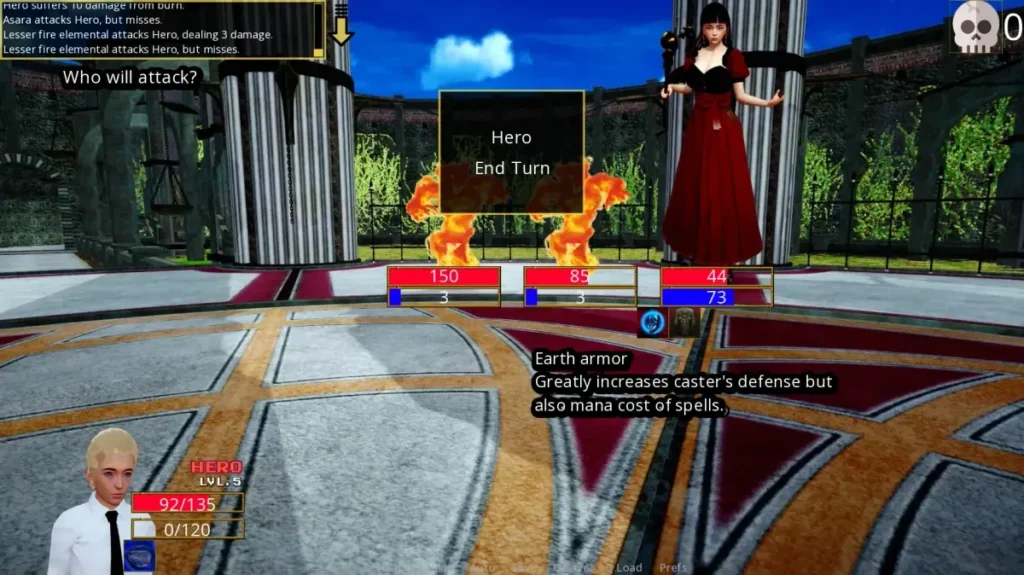
Lust Harem review
Master the strategic card gameplay, character collection, and progression systems
Harem of Lust: Battle Cards is a strategic collectible card game that combines deep deckbuilding mechanics with character collection and social interaction elements. Available on Steam and Android platforms, this game challenges players to build powerful card decks, defeat bosses, and collect unique characters while progressing through an engaging narrative. Whether you’re new to the game or looking to optimize your strategy, this guide covers everything you need to know about mastering the gameplay, understanding character mechanics, and building your collection effectively.
Understanding Harem of Lust: Battle Cards Core Mechanics
So, you’ve downloaded Harem of Lust: Battle Cards on Steam or Android, drawn in by the stunning art and promise of strategic depth, but now you’re staring at your hand wondering what to do next. 😅 I’ve been there. At first glance, it might seem like just another card battler with a pretty facade, but trust me—the moment you understand its core systems, a brilliantly complex and satisfying strategic card game reveals itself. This isn’t about just playing your strongest card; it’s about weaving a narrative of power with every move you make.
This guide will break down everything you need to go from confused beginner to confident strategist. We’re diving into the very heart of the Harem of Lust Battle Cards gameplay, exploring how to build a killer deck, and unlocking the secrets of its captivating character collection system. Let’s get started.
### What Makes This Strategic Card Game Unique?
What sets this game apart in a sea of digital card games? It’s the seamless, almost magical fusion of two compelling loops: a deep, tactical card battle system and a meaningful character progression narrative. You’re not just collecting static images; you’re building relationships with powerful allies whose stories and strengths directly influence your strategic card game mechanics.
The battlefield is your stage. Each match is a tense back-and-forth where you deploy cards representing your allies, their abilities, and tactical maneuvers. Unlike games where you simply out-muscle your opponent, victory here hinges on resource management, timing, and anticipating your opponent’s strategy. You have a limited pool of “Spirit” to play cards each turn, forcing you to make tough choices between a powerful move now or setting up a devastating combo for later.
The tournament progression system forms the spine of your journey. You’ll climb through ranks, facing increasingly clever AI opponents and formidable bosses that test your deckbuilding mettle. Each victory earns you rewards, but more importantly, it advances the stories of the characters in your roster. I remember hitting a wall at the “Crimson Tournament” boss; my brute-force deck was useless. It forced me to rethink my entire approach, leading to my first real “aha!” moment with card synergies and combos. That’s the beauty of it—the game teaches you to be better through intelligent challenge.
And let’s talk accessibility. Being free-to-play on both Steam and Android means you can dive in anywhere. While there are in-game purchases for cosmetics and to accelerate collecting, I’ve found the core progression feels fair. Daily quests and event rewards steadily feed you new cards and gems. The quest system is particularly clever, often tasking you with using specific character types or abilities, which gently pushes you to experiment with new strategic card game mechanics you might have otherwise ignored.
Pro Tip: Don’t just blast through the story duels. Treat each early battle as a lab. Try different card sequences to see what triggers bonus effects. This hands-on experimentation is the fastest way to learn the game’s deep Harem of Lust Battle Cards gameplay.
### Deckbuilding Fundamentals and Card Synergies
This is where the game truly shines. How to build effective decks is the question every aspiring champion needs to answer. Think of your deck not as 30 individual cards, but as a well-oiled machine where every part has a purpose. A random pile of strong cards will lose to a modest but focused deck every single time.
First, understand the roles. Cards generally fall into a few categories:
* Champion Cards: Your main characters on the field. They have attack, health, and often a powerful Continuous Effect or an On-Play ability.
* Action Cards: One-time spells or tactics that can deal damage, buff your champions, debuff the enemy, or draw cards.
* Support Cards: Ongoing enhancements or structures that provide a persistent advantage, like generating extra Spirit each turn or reducing the cost of certain cards.
Your deckbuilding strategy guide starts with a central theme or win condition. Do you want to overwhelm the board quickly with low-cost Champions (Aggro)? Do you want to control the game until you can drop an unstoppable late-game combo (Control)? Or do you want to exploit specific interactions between cards (Synergy/Combo)?
For example, my first successful deck revolved around Luna, the Shadow Dancer. Her ability reduces the cost of Action cards in your hand. I built the entire deck around cheap, efficient Actions and cards that benefitted from being cast multiple times. It wasn’t about having the biggest creature; it was about creating a flurry of activity my opponent couldn’t keep up with. This is the essence of discovering powerful card synergies and combos.
| Deck Archetype | Core Strategy | Key Strengths | Potential Weaknesses | Ideal Character Pairing |
|---|---|---|---|---|
| Rush Down (Aggro) | Apply early pressure with low-cost Champions. Aim to win before the opponent stabilizes. | Fast games, punishes slow decks, simple to pilot. | Struggles against decks with lots of healing or area-of-effect damage. | Kira, the Flameheart (Boosts early attack values) |
| Control & Value | Remove threats, outlast the opponent, and win with superior late-game cards. | Very powerful in long games, high win rate against aggressive strategies. | Games are slower. One misplay against a combo deck can be fatal. | Seraphina, the Mindmage (Provides card draw and disruption) |
| Synergy/Combo | Build a deck where cards interact to create an unstoppable chain of events. | Extremely satisfying wins, can defeat any archetype when it “goes off.” | Can be inconsistent. Vulnerable to cards that disrupt your hand or board. | Elara, the Nature’s Caller (Enables token generation and buff synergies) |
Remember, a good deck has a curve—a balanced mix of low, medium, and high-cost cards so you have plays every turn. Don’t clog your hand with too many expensive cards early on! Your deckbuilding strategy guide mantra should be: Theme, Curve, Synergy. Test, lose, tweak, and test again. The tournament progression system is the perfect testing ground.
### Character Collection and Relationship Systems
Now, let’s talk about the soul of the game—the character collection system. This isn’t a mere gacha mechanic slapped onto a card game. Here, collecting a new Champion is just the beginning of a journey. Each character has their own story thread, expressed through “Relationship Quests” and vignettes.
You acquire new characters primarily through earning “Heart Gems” via gameplay or through specific summoning portals. Dupes aren’t worthless—they often contribute to increasing a character’s “Bond Level,” which unlocks more of their story and, crucially, can enhance their associated cards or provide global deck bonuses. This means your favorite character becomes mechanically stronger as you grow closer to them in the narrative. It’s a fantastic feedback loop.
The relationship progression mechanics are woven directly into the quest system. A quest might ask you to “Win 3 duels with [Character Name] in your deck.” As you complete these, you unlock story segments that deepen your understanding of that character’s motivations, the world, and their connections to others. I didn’t expect to care about the stoic guardian Valeria until her quests revealed the vulnerability behind her armor. Now, she’s a staple in my defensive decks—not just for her stats, but because I’m invested in her success.
These interactions affect gameplay in tangible ways. Certain character pairings in your deck might unlock special dialogue if they fight together, and some high-level “Bond” bonuses provide effects that perfectly complement a character’s playstyle. For instance, maxing out your bond with a character whose strategy relies on drawing cards might grant you a starting item that lets you draw an extra card on turn one. It makes the collection feel meaningful and powerful.
This character collection system directly fuels your deckbuilding strategy guide. You might pull a powerful legendary Champion and then build a brand-new deck entirely around their unique ability. The game encourages this experimentation by offering quests and rewards for trying out new team compositions.
Personal Insight: Don’t just chase the meta or the highest rarity characters. Some of the most fun and potent decks I’ve built came from fully investing in an uncommon character I loved, exploring their synergies, and maxing out our bond. The game rewards this dedication handsomely. 💎
To tie this all together, here is a clear path to get you from your first login to your first major boss victory:
- Step 1: Complete the Tutorial & Initial Story Duels. Don’t skip this! It gives you vital resources and your first core set of cards and characters.
- Step 2: Assemble a Basic 30-Card Deck. Use the auto-build feature initially, but then look at the cards. Try to identify a simple synergy (e.g., all “Beast” type cards, or lots of direct damage Actions).
- Step 3: Grind the Early Tournament Ranks. Use this low-pressure environment to complete daily quests, learn turn flow, and earn chests for new cards.
- Step 4: Focus on One or Two Character Quests. Pick a Champion you like and actively work on their relationship quests. The rewards will strengthen your deck.
- Step 5: Build Your First “Intentional” Deck. Based on the cards and character you’ve upgraded, build a deck with a clear plan. Refer to the archetype table above.
- Step 6: Challenge Your First Major Boss. You’ll be tested on fundamentals. Remember, if you lose, it’s a chance to analyze what went wrong and adjust your deck accordingly.
- Step 7: Expand Your Collection & Ambition. Start eyeing more complex combo decks, participate in limited-time events, and climb higher in the tournament ladder!
Mastering Harem of Lust: Battle Cards is a deeply rewarding experience. It asks you to be both a shrewd tactician on the battlefield and a thoughtful companion off it. By understanding its strategic card game mechanics, applying a solid deckbuilding strategy guide, and engaging deeply with the rich character collection system, you’ll find yourself not just winning duels, but crafting your own legendary saga within its world. Now, go forth and build your legacy—one card, and one relationship, at a time. ♠️❤️♣️♦️
Harem of Lust: Battle Cards successfully blends strategic card game mechanics with character collection and relationship building elements, creating a unique gaming experience. By understanding the core deckbuilding fundamentals, mastering character progression systems, and strategically managing your relationships, you can optimize your gameplay and progress efficiently through the game’s content. Whether you’re competing in tournaments, defeating challenging bosses, or exploring the narrative through character interactions, the systems outlined in this guide provide a foundation for success. Start with the basics, experiment with different deck archetypes, and gradually unlock new characters to discover the playstyle that works best for you. The combination of strategic depth and character-driven storytelling makes this game rewarding for both competitive players and those seeking narrative engagement.