
Play My New Memories
My New Memories Screenshots







My New Memories review
Explore how player decisions shape relationships and narrative outcomes in this story-rich visual novel
My New Memories is a narrative-driven visual novel that puts you in control of a protagonist recovering from amnesia after a devastating car accident. Unlike linear storytelling experiences, this game thrives on player agency—your decisions fundamentally reshape character relationships, plot outcomes, and the overall narrative arc. Whether you’re drawn to the emotional depth of character development, the branching storyline mechanics, or the immersive visual novel format, understanding how choices ripple through the game world is essential to appreciating what makes this experience unique. This guide explores the core mechanics, character dynamics, and decision-making systems that define My New Memories.
Understanding My New Memories: Core Gameplay & Narrative Structure
Ever downloaded a game expecting a simple story, only to find yourself completely absorbed, thinking about the characters long after you’ve closed the app? 😲 That was my exact experience with My New Memories. I sat down for what I thought would be a quick session and ended up playing for hours, utterly captivated by the dilemma of a man piecing his life back together. If you’re curious about what makes this story-rich game experience so special, you’re in the right place. Let’s pull back the curtain on the core mechanics that make this visual novel a standout title.
What Is My New Memories and How Does It Work?
At its heart, My New Memories is a visual novel built around a powerful, personal journey. You step into the shoes of the protagonist, who wakes up in a hospital after a devastating car accident. The world is unfamiliar, and your past is a blank slate. Your wife, Marie, lies in a coma in the same hospital. This setup is your new, unsettling reality.
So, how do you play? My New Memories gameplay is elegantly simple yet profoundly deep. You progress by reading narrative text and making branching narrative choices at key moments. These aren’t just cosmetic decisions like picking a dialogue color; they are meaningful selections that shape your relationships and steer the course of the story. The game presents you with situations—a conversation with a nurse, a visit from a friend, a haunting dream—and you choose how to react. Do you trust this person who claims to know you? How do you respond to the fragments of emotion you feel for your unconscious wife?
The magic lies in the consequence. Every choice feeds into a hidden relationship system, influencing how characters perceive you and what memories become accessible. There are no traditional “game over” screens or quick-time events to fail. Instead, the tension comes from the emotional weight of your decisions. You are literally deciding what kind of person you will become in this second chance at life. This focus on interactive storytelling mechanics means the game respects your intelligence, offering a mature, contemplative pace rather than frantic action. It’s a character development visual novel in the truest sense, where your engagement directly molds the narrative clay.
The Amnesia Plot Device and Story Foundation
Amnesia in stories can sometimes feel like a cheap trick, but in My New Memories, it’s the brilliant engine of the entire experience. This isn’t just a convenient memory wipe; it’s the foundational pillar of this amnesia narrative game. Think of it less as a loss and more as an opportunity—for both the character and for you, the player.
Because you remember nothing, you discover everything with the protagonist. There’s no dramatic irony where you know more than the character. When a old friend mentions a shared history, you feel the same confusion and curiosity. When guilt or love surfaces in a dream, it hits you with raw, unexplained force. This creates an incredible bond between player and character. You’re not observing a story about amnesia; you are living the disorienting, often painful process of recovery.
Personal Insight: The moment that solidified this for me was a simple dream sequence. My character saw Marie, not as she was in the hospital, but smiling in a sunlit kitchen. The game then gave me a choice: to feel warm affection or sharp, inexplicable pain. I chose pain, and that single decision later unlocked a memory about a serious argument we’d had. The game didn’t judge me for it; it simply acknowledged that this was a part of my past I was now ready to face. The amnesia narrative game structure made that discovery feel earned, not just delivered.
The amnesia also brilliantly justifies the branching narrative choices. Since your character’s personality is, in a way, up for grabs, your decisions on how to act become his new personality. Are you the kind of man who jokes to deflect pain, or who sits quietly with grief? Do you rebuild your life based on what others tell you, or on the new feelings you’re developing? Your wife’s appearances in your dreams serve as both a compass and a mystery, guiding you toward emotional truths about your relationship that your conscious mind has locked away. This device turns every interaction into a potential clue, making the story-rich game experience intensely personal and investigative.
Visual Novel Format and Interactive Storytelling Elements
The visual novel format is the perfect vehicle for a game like My New Memories. This style prioritizes narrative depth, character interaction, and player choice above all else, ditching complex controls for a focus on pure storytelling. It’s like being the director and lead actor in your own intimate film, where every line reading and reaction is yours to decide.
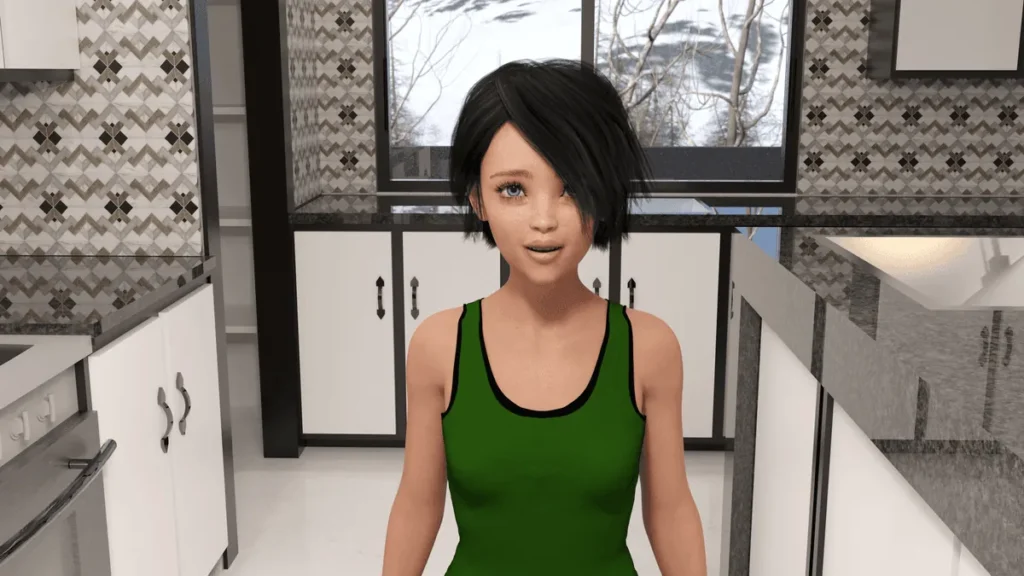
The interactive storytelling mechanics are seamlessly woven into this format. You’ll be presented with beautifully rendered scenes—the sterile white of the hospital room, the warm,模糊 glow of a dream sequence, the expressive faces of characters as they speak to you. The high-quality images and subtle animations do more than just look pretty; they set the mood and amplify the emotional impact of every revelation. When a character’s expression shifts from concern to suspicion based on your choice, you feel it viscerally.
But how do you actually interact with this world? The primary tool is your choices. These branching narrative choices are the gears of the game’s engine. They determine:
* Which memories you uncover and in what order.
* How your relationships with supporting characters (like nurses, doctors, and old friends) develop.
* The ultimate understanding you build of your past with Marie.
* The tone and emotional resolution of your journey.
This structure is the opposite of a linear game. There is no single “correct” path. The game is designed to be replayed, with early choices opening up entirely different conversational branches and memory fragments in later chapters. This makes your first playthrough uniquely yours—a genuine story-rich game experience shaped by your instincts.
A huge part of the appeal is its accessibility. My New Memories is built to be enjoyed anywhere, on the device you use most. Whether you’re at your desk or on your commute, you can dive into this character development visual novel.
| Platform | Availability | Key Features |
|---|---|---|
| Windows PC | Full Native Support | Mouse/Keyboard control, potential for highest graphical settings. |
| macOS | Full Native Support | Seamless integration with Mac hardware and trackpad/mouse controls. |
| Linux | Full Native Support | Official build for Linux users, a great sign of developer commitment. |
| Android | Full Native Support | Touchscreen-optimized interface, perfect for on-the-go play. |
The game skillfully balances lighter, wholesome moments of connection with the heavier, more mature content of confronting a flawed past. You might have a tender, funny conversation with a nurse in one scene, and in the next, grapple with the moral weight of a recovered memory about betrayal. This balance feels human and realistic. It’s also worth noting that My New Memories is a living project. Being in active development means the story is growing, with regular updates adding new chapters, choices, and depths to the characters, making each return visit worthwhile.
Ultimately, My New Memories uses the visual novel format not as a limitation, but as a lens to focus intensely on what matters: people, emotions, and the stories we tell ourselves. It proves that powerful interactive storytelling mechanics don’t need elaborate worlds—just a compelling question: Who do you want to become when you get a chance to start again? Your journey to answer that is what makes this My New Memories visual novel an unforgettable experience.
My New Memories stands out as a narrative-driven visual novel that respects player agency while delivering emotionally resonant storytelling. The game’s strength lies in its interconnected systems—where character relationships feel authentic, choices carry genuine weight, and every decision contributes to a unique personal narrative. Whether you’re experiencing your first playthrough or discovering new scenes on your fifth, the branching storyline ensures that your journey through the protagonist’s recovery and relationship rebuilding feels distinctly yours. The combination of high-quality visuals, organic character interactions, and meaningful choice consequences creates an immersive experience that rewards thoughtful decision-making and emotional investment in the characters’ lives. If you’re seeking a visual novel that prioritizes story depth and character development while allowing you to shape outcomes through your choices, My New Memories delivers a compelling and replayable experience.