Shadows
Play Shadows
Shadows Screenshots



















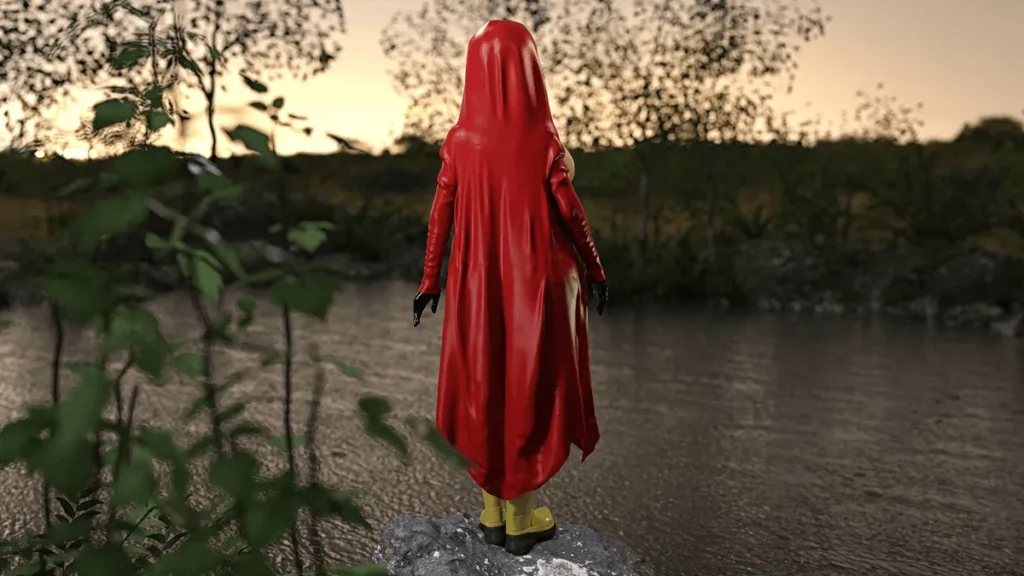
Shadows review
Explore the dark narrative, decisions and gameplay depth in Shadows
Shadows is a narrative-driven adult game that blends interactive storytelling with character-driven choices, moody environments, and a slow-burn atmosphere. In this guide, we will walk through how Shadows plays, what kind of story and characters you can expect, and how your decisions shape the experience. I will also share some personal impressions and practical tips gathered from multiple playthroughs, so you can decide if Shadows fits your taste and know how to enjoy it without missing key scenes or important branches.
What Is Shadows and Why Has It Become So Talked About?
So, you’ve heard the whispers. Maybe a friend won’t stop talking about it, or you’ve seen some stunning, moody artwork float through your feed. The name Shadows keeps popping up. But what exactly is this game, and why is everyone suddenly so invested in its dark, intimate world? 🤔
If you’re picturing a simple click-through experience, think again. Shadows is a narrative-driven adult visual novel that masterfully blends a gripping, character-focused story with player agency, all wrapped in a gorgeously melancholic atmosphere. It’s less about flashy mechanics and more about the quiet, powerful impact of your decisions on a cast of deeply flawed, fascinating people.
In essence, Shadows asks you to navigate a web of secrets, desires, and fragile trust. The Shadows gameplay loop is elegantly simple: you read, you choose, and you live with the consequences. You’ll explore detailed locations, engage in tense conversations where every dialogue option carries weight, and slowly unlock scenes that peel back the layers of both the story and its characters. It’s a slow-burn experience, rewarding patience and attention to detail with profound emotional payoffs and drastically different story branches.
Overview of Shadows: core concept and gameplay loop
At its heart, what is Shadows? Imagine you’re stepping into a beautifully painted, film-noir-inspired drama where you are both the audience and a key actor. You take on the role of a character (often customizable in subtle ways) who finds themselves entangled in the lives of others, usually within a setting brimming with hidden histories and unspoken tensions—a forgotten coastal town, a secluded estate, or a district of a city that daylight avoids.
The core Shadows gameplay is built on a foundation of reading and decision-making. You’ll progress through the story by:
* Reading narrative text and character dialogue. The writing is a major highlight—detailed, atmospheric, and focused on internal monologue and subtext.
* Making critical choices during conversations. These aren’t always obvious “good vs. evil” picks. They might be about showing vulnerability, asserting dominance, offering trust, or keeping a secret. A single offhand comment can alter a character’s perception of you for chapters.
* Exploring locations to find clues, trigger memories, or initiate encounters. This exploration isn’t about puzzles, but about soaking in the atmosphere and uncovering optional story beats.
* Tracking your relationships. The game often has a subtle system monitoring your affinity with key characters, pushing the story down specific routes based on who you’ve connected with (or alienated).
On my first run, I approached it like a checklist, trying to “win” scenes. I quickly learned that Shadows doesn’t work that way. It’s about authenticity. Choosing a defensive, sarcastic response because it fit my character’s bruised ego led to a completely different, more lonely narrative branch than the one I saw on a replay where I chose to be cautiously open. There is no single “right” path, only your path.
Pro Tip: Don’t stress about making the “perfect” choice on your first playthrough. The Shadows game is designed for multiple replays. Go with your gut. The most compelling stories often come from your mistakes and misjudgments.
To give you a clearer picture of what to expect from a typical session, here’s a breakdown of the core interactive loop:
| Phase | What You Do | What It Affects |
|---|---|---|
| Narrative Immersion | Read the descriptive prose and dialogue, setting the scene and mood. | Understanding of plot, character backstories, and the game’s thematic depth. |
| Decision Point | Select from 2-4 dialogue or action options during key interactions. | Character relationships, future dialogue availability, and the ultimate story route. |
| Exploration & Discovery | Click on highlighted areas in a static scene to examine details or progress. | Unlocks additional narrative context, optional scenes, or crucial story triggers. |
| Consequence & Progression | See the immediate and long-term result of your choices unfold in the story. | Locks you onto a path, develops (or damages) bonds, and builds toward specific endings. |
What makes the story and atmosphere in Shadows stand out?
This is where the Shadows game truly separates itself from the crowd. Many story-focused games claim to have “meaningful choices,” but Shadows delivers by making every choice feel like an organic part of a conversation, with repercussions that are psychological, not just logistical.
The Shadows story is a masterclass in tension and restraint. It deals with adult themes—not just in the romantic or sensual sense, but in its mature exploration of power dynamics, emotional vulnerability, secrecy, and the struggle for control. A conversation over a late-night drink can feel as charged and significant as any action set-piece because the stakes are personal and emotional. The “slow-burn” label is a feature, not a bug. It allows trust to be built or shattered believably, making the moments of connection or conflict genuinely impactful.
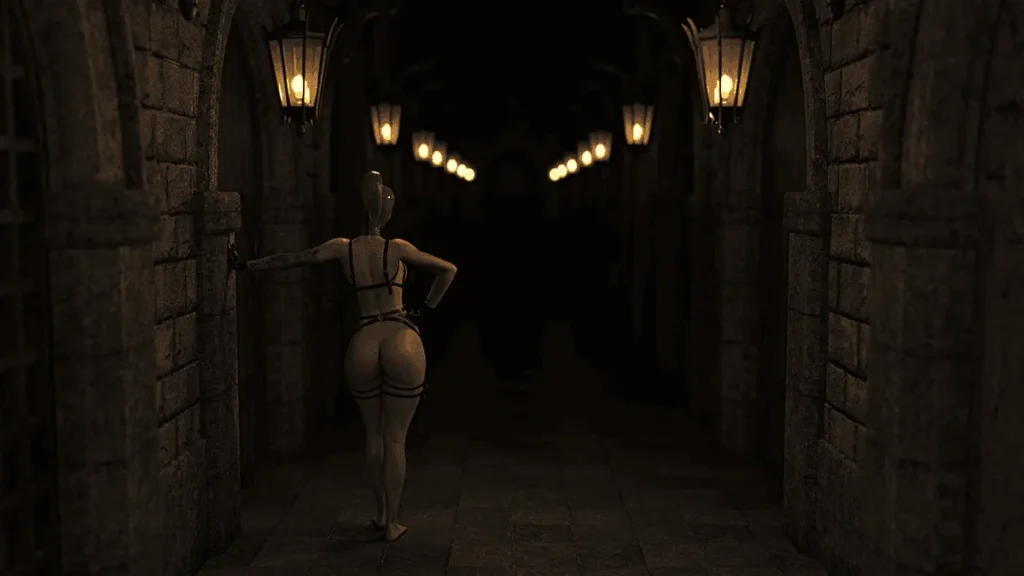
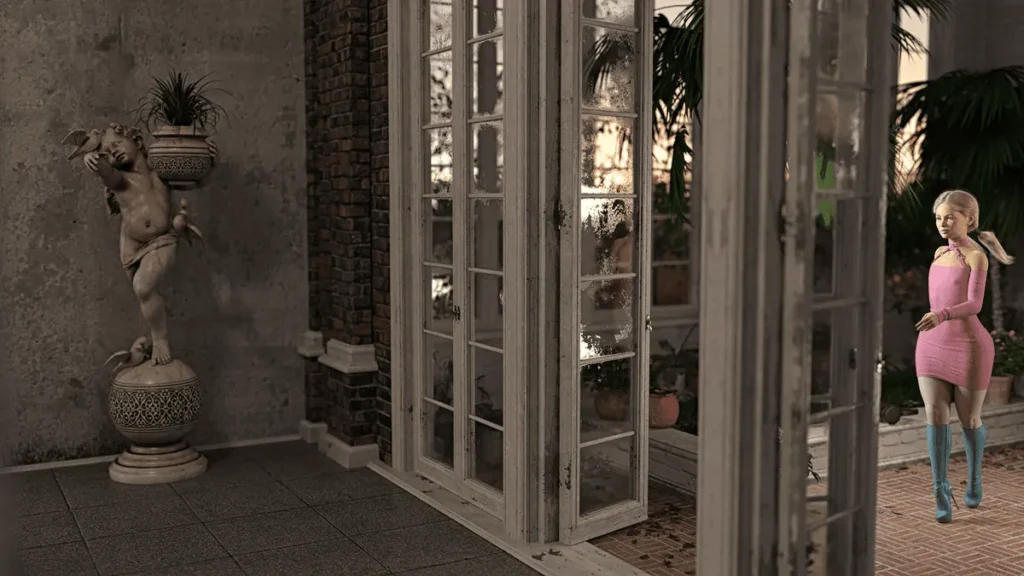
The atmosphere is palpable. The art style, the haunting soundtrack, the careful pacing—they all work in concert to create a sense of place that feels lived-in and heavy with history. You don’t just visit the locations in Shadows; you feel their isolation, their faded glamour, or their unsettling quiet. This mood is a character in itself, constantly shaping the interactions and your perception of events.
So, what makes the story and atmosphere in Shadows stand out? Here are the key pillars:
- Grounded, Complex Characters: These aren’t archetypes. They are people with contradictory motives, past traumas, and defenses that feel real. You learn to read their subtle cues—a hesitation, a glance away, a change in topic.
- Psychological Depth Over Explictness: While it is an adult visual novel, Shadows prioritizes emotional and psychological intimacy. Scenes of closeness are framed as extensions of character development and power shifts, making them feel earned and narratively vital, rather than gratuitous.
- Meaningful Branching: Your choices create tangible forks in the road. Supporting one character might permanently close off another’s route. Asking the right question in Chapter 2 might unlock a confession in Chapter 6. This makes your journey feel uniquely yours.
- Replay Value: Discovering just how different the story can become is a huge part of the appeal. Seeing a character’s cold exterior from one angle, and then understanding the vulnerability behind it from another, is a profoundly rewarding experience.
Who will enjoy Shadows the most?
Let’s address the big question: is Shadows worth playing? And more importantly, who is Shadows for? This isn’t a game for everyone, and that’s its strength. It knows its audience and serves them exceptionally well.
Shadows is absolutely worth playing if you are:
* A fan of visual novels or text-heavy narrative games that prioritize story above all else.
* Someone who loves character-driven dramas where the plot is fueled by interpersonal relationships and moral ambiguity.
* A player who enjoys making tough decisions and seeing their long-term consequences play out in satisfying, sometimes heartbreaking, ways.
* Drawn to moody, atmospheric settings—think gothic romance, noir thrillers, or slow-paced psychological dramas.
Consider my friend Alex (our brief case study!). Alex initially clicked on the adult visual novel Shadows mostly for the acclaimed artwork. “I’ll just skip through the text,” they said. Two hours later, they were paused, completely invested in a tense standoff between two characters, not over a physical threat, but over a broken promise. They were analyzing dialogue options like a chess game, trying to salvage a fragile alliance. The visuals hooked them, but the Shadows story and its nuanced characters made them stay. They’ve since done three full playthroughs, each time championing a different character’s perspective, and they’re still finding new snippets of dialogue.
Conversely, you might want to temper your expectations if:
* You primarily seek fast-paced action, complex simulation mechanics, or traditional puzzle-solving.
* You prefer linear, straightforward stories without branching paths.
* The idea of a narrative that unfolds slowly, focusing on dialogue and internal conflict, doesn’t appeal to you.
In short, Shadows is a premium experience for the narrative connoisseur. It’s for players who want to sit in the quiet after a chapter ends and just think about what happened, what they did, and what they’ll try differently next time. It proves that the most compelling mysteries aren’t always about whodunit, but about who these people are, and who they become because of you.
Now that you have a solid understanding of what Shadows is and the unique experience it offers, you’re probably wondering: how do I actually navigate this web of choices? How do the routes and endings truly work? In the next chapter, we’ll pull back the curtain on the strategy behind the story, diving deep into how to shape your journey and find every hidden truth this dark, captivating world has to offer.
Shadows thrives on tension, atmosphere, and the small decisions that slowly reshape your relationships and path through the story. If you enjoy taking your time, reading carefully, and experimenting with different dialogue options, it can become an unexpectedly absorbing experience. As you step into its world, try at least one complete playthrough where you follow your instincts rather than a guide, then come back to explore alternate branches and scenes. That balance of discovery and replay is where Shadows really shines and where you are most likely to find your own favorite version of the story.