Cosy Cafe
Play Cosy Cafe
Cosy Cafe Screenshots















Cosy Cafe review
Explore the visual novel experience, character interactions, and sandbox mechanics
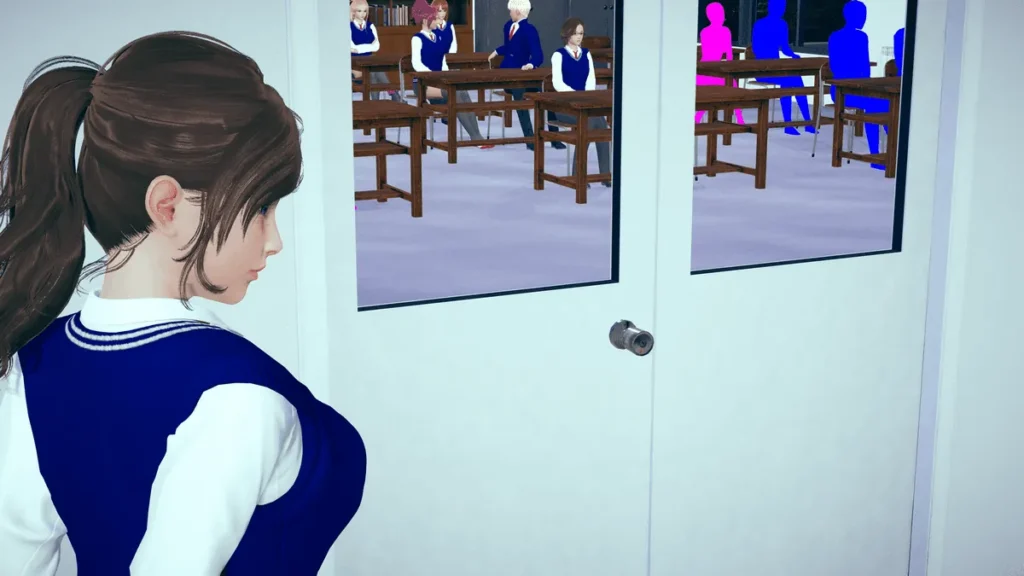
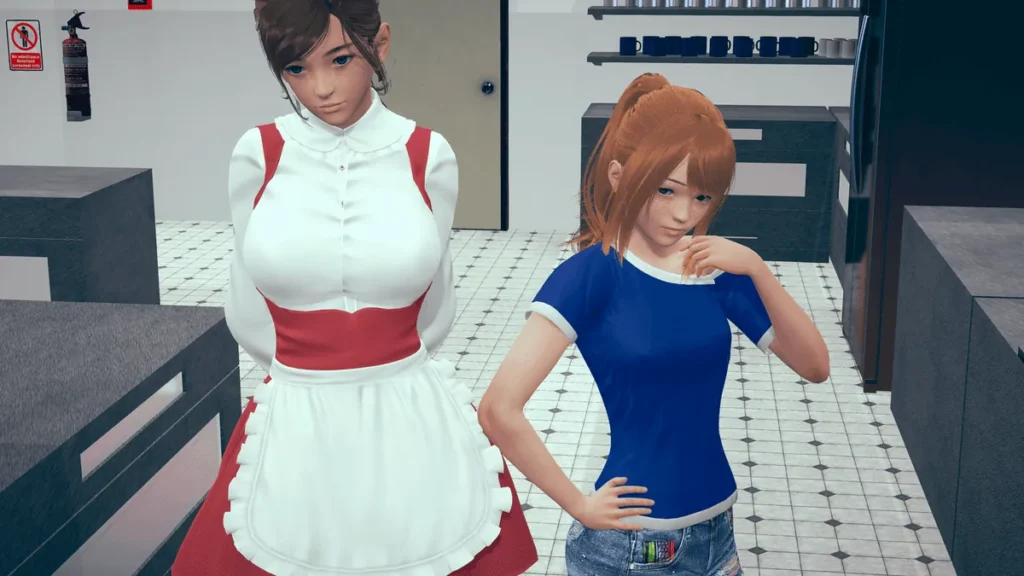
Cosy Cafe stands out as a unique blend of visual novel storytelling and interactive sandbox gameplay. Rather than a traditional action-driven game, it prioritizes narrative depth and character relationships, offering players a more cinematic experience. Whether you’re new to the game or looking to understand its mechanics better, this guide covers everything you need to know about navigating the Cosy Cafe universe, building relationships with characters, and maximizing your gameplay experience.
Understanding Cosy Cafe’s Gameplay Style and Structure
So, you’ve downloaded Cosy Cafe, expecting maybe a frantic time-management sim or a complex business tycoon game, and instead, you’re presented with a beautiful, serene scene and a cast of charming characters waiting to tell their stories. You might be wondering, “How do I play this?” 🤔 Let me tell you, the magic of how to play Cosy Cafe is understanding what it is. This isn’t a game about optimizing espresso machine placement; it’s about soaking in atmosphere, getting to know people, and unwinding with a digital cup of tea in hand. It’s less of a traditional “game” and more of an interactive visual novel experience you curate for yourself.
Think of it like your favourite streaming service, but you have a gentle hand in guiding the narrative. The core Cosy Cafe gameplay mechanics are elegantly simple: explore, select, and observe. You are given the keys to a charming digital space and the lives within it, free to dip in and out of stories as you please. This unique fusion is what we’re here to unpack. Ready to get comfortable? Let’s dive in.
What Makes Cosy Cafe Different: Visual Novel Meets Sandbox 🍵✨
At its heart, Cosy Cafe is a beautiful hybrid. It takes the rich, narrative-driven core of a visual novel and places it inside a free-form, exploratory sandbox. This combination is its defining genius. You aren’t locked onto a single, rigid path. Instead, the cafe becomes your narrative hub.
Imagine walking into a real cafe. You might chat with the regular at the corner table one day, catch up with the barista the next, or simply listen in on the couple having a heartfelt conversation by the window. Cosy Cafe replicates this feeling perfectly. The visual novel sandbox game format means the storylines for each character exist in parallel, like different TV series available on demand. Your agency comes from choosing which “show” to watch, and in what order.
Here’s a quick list of the key features that define this unique style:
- Open Exploration: The cafe environment is yours to click through. Discover new characters and trigger scenes by interacting with different points of interest.
- Parallel Storylines: Each main character has their own self-contained narrative arc. You can follow one to completion or jump between them.
- Atmosphere as Gameplay: Soaking in the detailed art, calming music, and ambient sounds is a core part of the experience. Progress is often measured in emotional beats, not score points.
- Player-Led Pacing: There are no timers or deadlines. You spend as much or as little time with a scene as you wish, controlling the rhythm of your relaxation.
This structure is a breath of fresh air. I remember my first session; I was so conditioned by other games that I kept looking for a task list or a resource meter. Once I let that go and simply clicked on the character who looked most interesting—a nervous artist sketching in her notebook—I was completely absorbed. I spent that entire evening just following her story, forgetting I could even switch to others. That’s the power of its design: it encourages deep focus on a single narrative thread within a broader, open world.
The Cosy Cafe storyline structure is built for this sandbox approach. Stories are largely independent, with limited crossover. This isn’t a sprawling epic where every character is intricately linked; it’s a slice-of-life anthology set in the same location. This design choice is brilliant because it lowers the pressure on you, the player. You can’t “mess up” the overarching world by focusing on one person. It allows for incredibly focused, intimate storytelling.
How Narrative Choices Impact Your Experience 🧩
Now, you might be asking, “If the stories run in parallel, where’s the gameplay? Where’s my impact?” This is where Cosy Cafe’s subtle brilliance shines. The game features a narrative choice system, but it operates differently than you might expect. Your choices primarily act as keys, unlocking doors to additional scenes and character depth, rather than as forks that create wildly different plot outcomes.
In most narrative games, a choice might lead to Character A living or dying. In Cosy Cafe, a choice might lead to you learning about a character’s secret passion for astronomy or missing that tender moment altogether. The core plot—will the barista find confidence? Will the writer overcome their block?—moves forward, but the fullness of that journey is in your hands. Your agency is about discovery and depth, not directional control.
Think of it like being a documentary filmmaker rather than a scriptwriter. You can’t change the essential truth of your subject’s life, but you can choose which questions to ask, which moments to highlight, and which aspects of their personality to bring to the forefront. This creates a highly replayable interactive visual novel experience. On a second playthrough, you can make different choices to see the conversations and scenes you missed the first time, painting a more complete picture of the cafe’s inhabitants.
Tip from a Player: Don’t stress over “right” or “wrong” choices. Go with your gut instinct for the character you’re with. The goal is to see the story unfold authentically, not to game the system for a “perfect” ending.
Let me give you a practical example. Early on, you meet Leo, the often-flustered cafe owner. In a scene where he’s worrying over suppliers, you might get a choice:
* Option A: “Maybe you should try a local farm? I hear they’re reliable.”
* Option B: “Have you considered just raising your prices slightly?”
Choosing A might later trigger a cute scene where Leo brings in fresh, beautiful berries from that local farm, sparking a conversation about his childhood in the countryside. Choosing B might lead to a different scene where he nervously debates menu pricing with his lead barista. Both scenes add colour and depth to Leo’s storyline and the cafe’s world, but neither will prevent the cafe from staying open or cause him to have a radically different career. The narrative choice system is about enriching the journey, not rerouting the destination.
This approach is wonderfully liberating. It removes the anxiety of permanent consequences and lets you simply enjoy the moment, which is perfectly in tune with the game’s cosy ethos.
Exploring the Sandbox Environment and Character Interactions 🌟
This is where the Cosy Cafe gameplay mechanics truly come alive. The “sandbox” isn’t a literal playground with physics objects; it’s a narrative sandbox. The environment is a lush, static painting you explore by clicking. Each click can transition the time of day, shift the camera to a new part of the cafe, or reveal which characters are currently “available” for interaction.
The flow of Cosy Cafe character interactions is intuitive. Characters appear in the space when their story moments are ready to be viewed. You see Maya the student studying at her usual table, or Ben the musician tuning his guitar in the corner. Clicking on them will begin their next story segment. The magic is in the curation: you decide who to visit, when.
The beauty of this visual novel sandbox game structure is the freedom it grants. Having a stressful day? Maybe you only have the energy for one, sweet scene with the elderly couple who visit every afternoon. Got a free rainy Sunday? You can marathon three chapters of the aspiring novelist’s struggle and triumph. You design your own session’s pace and emotional palette.
To illustrate how these stories coexist, let’s look at how character availability and storyline independence typically work:
| Character | Typical Story Arc | Interaction Style | Sandbox Freedom Note |
|---|---|---|---|
| Maya (The Student) | Balancing academic pressure with personal dreams. | One-on-one conversations, often while she’s studying. Your choices offer encouragement or practical advice. | Her scenes are mostly self-contained. Progressing her story won’t lock you out of others. |
| Leo (The Owner) | Learning to trust his vision and his team. | Observational and managerial. You often help him make small decisions about the cafe’s vibe. | His storyline slightly affects the cafe’s background aesthetics (e.g., new decor) visible to all. |
| Elara & Finn (The Regular Couple) | Navigating the quiet moments in a long-term relationship. | Dual-character scenes. Your choices can focus the conversation on one partner’s perspective. | Their presence is periodic. You might need to advance other stories for new scenes with them to appear. |
This structure has huge advantages. For players, it means zero pressure. There’s no fail state. You can’t get stuck. The experience is consistently calming and rewarding. For the developers, it allows them to craft deep, focused character studies without the exponential complexity of a fully interwoven plot where every choice in one storyline must affect all others.
Ultimately, learning how to play Cosy Cafe is about embracing a new form of relaxation. It’s about understanding that your role is that of a privileged observer and gentle guide. You explore the sandbox environment, initiate character interactions at your leisure, and use the narrative choice system to uncover hidden layers of story. The Cosy Cafe storyline structure, with its parallel tales, ensures a stress-free yet deeply engaging interactive visual novel experience. So, put the kettle on, settle into your favourite chair, and start exploring. Your cafe, and its stories, are waiting. ☕📖
Cosy Cafe delivers a distinctive gaming experience that prioritizes storytelling and character development over traditional gameplay mechanics. By blending visual novel elements with sandbox exploration, the game creates an intimate, narrative-driven world where your choices shape which stories you experience. Whether you’re drawn to the character relationships, the immersive visual novel format, or the freedom to explore at your own pace, Cosy Cafe offers a refreshing alternative to conventional games. If you’re considering diving into this experience, approach it with an appreciation for cinematic storytelling and character-focused narratives. Start by exploring different character paths, take time to absorb the narrative details, and embrace the unique pacing that makes Cosy Cafe a memorable experience.