Parental Love
Play Parental Love
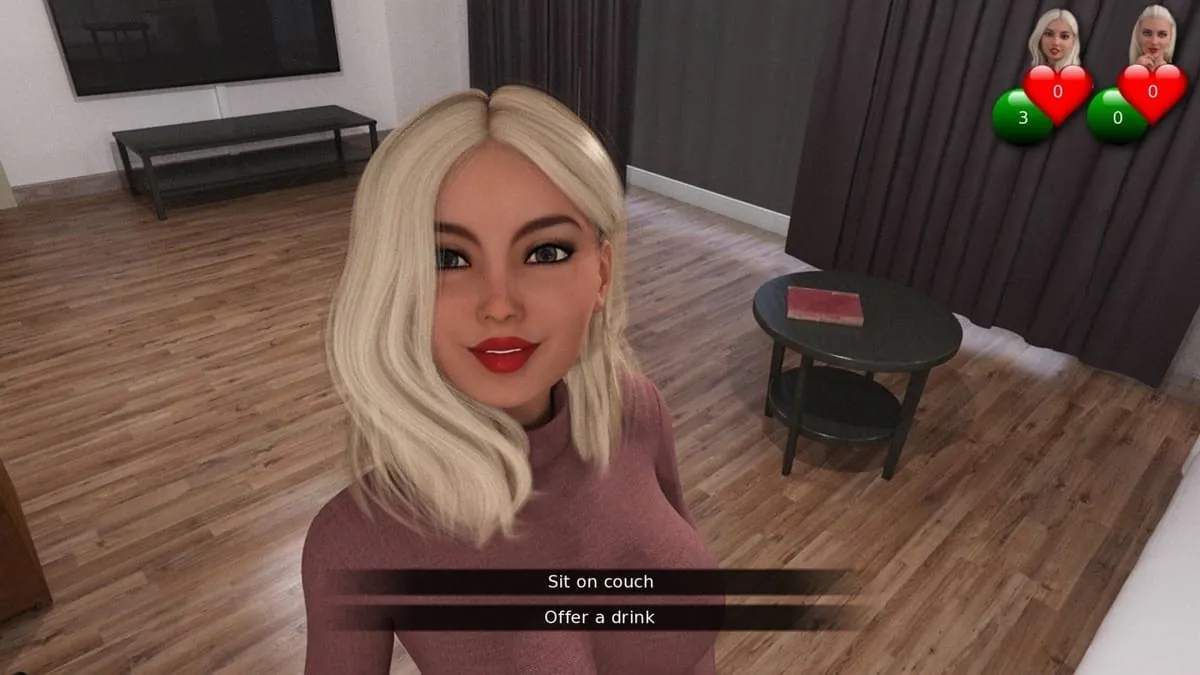
Parental Love Screenshots







Parental Love review
Discover the plot, mechanics, and endings of the controversial adult game about a father losing custody
If you’ve been searching for a deep dive into the adult game ‘Parental Love,’ you’re in the right place. This Ren’py title by developer Luxee offers a unique, albeit controversial, narrative where you play as a father who loses custody of his children due to cocaine use. Unlike typical adult games that focus solely on gratification, ‘Parental Love’ attempts to weave a poignant story of redemption and consequence, though it has received mixed feedback regarding its character designs and sex scenes. In this review, we’ll break down the gameplay mechanics, explore the different endings, and discuss whether this 1.60 GB game delivers on its emotional promise.
What Is the Plot of Parental Love?
You sit down, expecting another adult visual novel with predictable fluff. Then the opening scene hits you like a truck. You’re not playing as some carefree college student or a fantasy hero. You are a father who has just lost everything. That is the hook of Parental Love, and it grabs you by the throat from the very first moment. The Parental Love plot is raw, uncomfortable, and surprisingly human. It asks a question most games are too afraid to touch: what happens when your worst mistakes cost you your family?
The Story of a Father Losing Custody
The core of this father loses custody game begins in a courtroom. You play as John, a divorced man whose life has spiraled out of control. His ex-wife has successfully petitioned for full custody of their two children, Mia and Leo. The reason? John has a cocaine addiction story game that he cannot hide. The judge doesn’t mince words here. You are deemed an unfit parent. The kids go to their mother, and you are left with supervised visitation rights and a shattered sense of self.
The Parental Love backstory is revealed gradually through flashbacks and conversations. You learn that John was a good father once. He coached soccer. He made pancakes on Saturdays. But the death of his own brother pushed him toward self-destruction. The cocaine started as a way to cope. It ended up destroying the trust he had built with his children. The game does not shy away from showing the fallout. There is a moment where John arrives late to pick up his son from school, high and disoriented. The boy sees him. That look of disappointment is burned into the narrative.
“The opening five minutes made me tear up. Watching the judge hand custody to the mother because of my choices felt like a punch to the gut. I had to put the controller down for a second.” – User review from the “Emotional Storylines” forum
This user reaction is spot on. The emotional adult game plot doesn’t treat this event as a cheap shock. It uses it as the foundation for everything that follows. Your primary mission across the game’s timeline is to prove you can be a safe, stable presence in your children’s lives again. The stakes are enormous. Every conversation with your ex-wife, every interaction with the kids, every choice about your own recovery matters. One wrong move, one slip back into old habits, and those supervised visits vanish.
How Cocaine Use Drives the Narrative
This is not a story where addiction is a background detail. It is the engine that moves the entire Parental Love storyline. The game simulates a period of several weeks. Each day presents you with a schedule. You have work, therapy appointments, and, most painfully, scheduled phone calls with your children. But you also face temptation. The cocaine addiction story game mechanics are clever here. You have an “Urge” meter that builds based on stress, loneliness, or conflict.
If you get a hostile letter from your ex-wife, your Urge spikes. If you have a bad day at work, it spikes again. You are then presented with choices: ignore the craving, call a sponsor, or give in. If you give in, you get a short-term escape. The graphics blur. The dialogue becomes slurred. You wake up the next day with a “hangover” debuff that makes every social interaction harder. The Luxee game narrative uses this to create constant tension. You feel the pressure John feels. You understand why he relapsed in the past.
The addiction also affects how your children see you. During a video call, your daughter Mia might ask why you look tired. If you are struggling, you might snap at her. That interaction gets recorded by the game and influences the ending. The Parental Love plot ensures that there is no “silver bullet” choice. You cannot just take a pill and fix everything. Recovery is a daily battle, and the game respects that reality.
Is the Emotional Storyline Worth It?
Here is the honest truth: the emotional adult game plot aims high, and it mostly hits the mark. The writing is strong enough to make you feel genuine shame when you let John’s son down. The voice acting (yes, there is some) for the children is heartbreakingly authentic. However, the execution is not perfect. Some players find the pacing uneven. You can spend three days doing nothing but working and calling your sponsor, which feels tedious. The game wants you to feel the grind of recovery, but that grind can sometimes kill the dramatic momentum.
The Parental Love storyline also struggles with tonal balance. It wants to be a serious drama about addiction, but it still includes explicit adult scenes. These moments often feel disconnected from the main conflict. They are meant to represent John seeking intimacy or escape, but they can break the immersion. You go from a deeply emotional scene with your daughter to a sexually charged encounter with a neighbor, and it feels jarring. The Luxee game narrative tries to tie these back to the theme of self-medicating, but it doesn’t always succeed.
| Aspect of Story | What Works Well | What Falls Short |
|---|---|---|
| Custody Conflict | Genuine emotional weight, realistic legal pressure | Secondary characters (lawyers, ex-wife) are one-dimensional |
| Addiction Mechanics | Urge system is engaging and stressful | Grind of daily recovery can become boring |
| Parent-Child Bonds | Phone calls and visits are powerful | Kids’ AI reactions can be repetitive |
| Adult Content | Intended to show John’s flawed coping | Often feels disconnected from the main plot |
| Multiple Endings | High replay value, real consequences | Some endings are too abrupt |
Despite these flaws, the Parental Love backstory is compelling enough to carry the experience. If you can look past the occasional misstep, the journey of a father fighting to hold onto his family is unforgettable. You will make mistakes. You will hurt the people you love. But the game gives you the chance to try again, to be better tomorrow than you were today. That is a powerful message wrapped in a very controversial package. Whether the emotional adult game plot resonates with you or pushes you away, it will leave you thinking about it long after the credits roll.
The game ‘Parental Love’ by Luxee stands out in the adult gaming space by attempting to tell a serious story about addiction and family separation. While the narrative of a father trying to regain custody after losing it due to cocaine use is compelling, the game’s reception is mixed, with some players criticizing the character designs and the quality of the sex scenes. If you are looking for an adult game that prioritizes a dramatic, albeit flawed, storyline over pure visual gratification, this Ren’py title might be worth your time. Download the latest version 1.1 and see if you can navigate the choices to achieve the ending you desire.