
Tales of Unity
Play Tales of Unity
Tales of Unity Screenshots

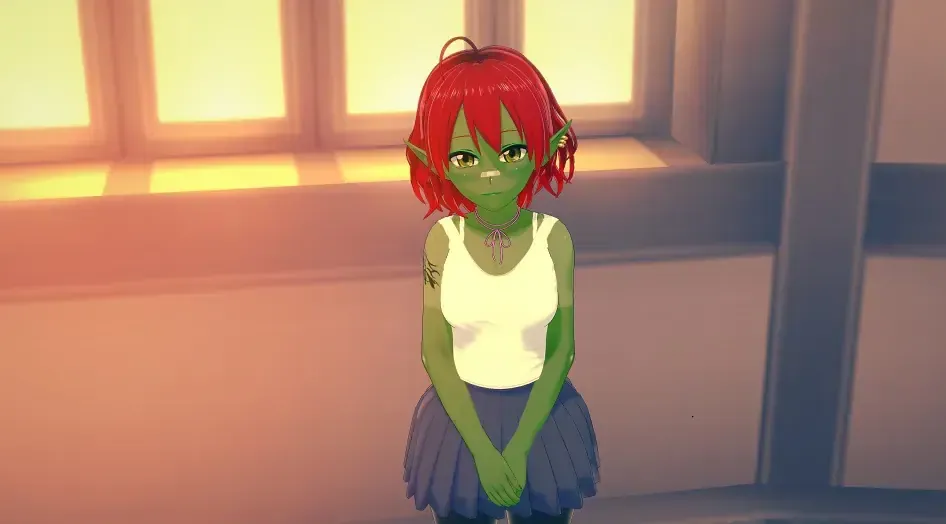
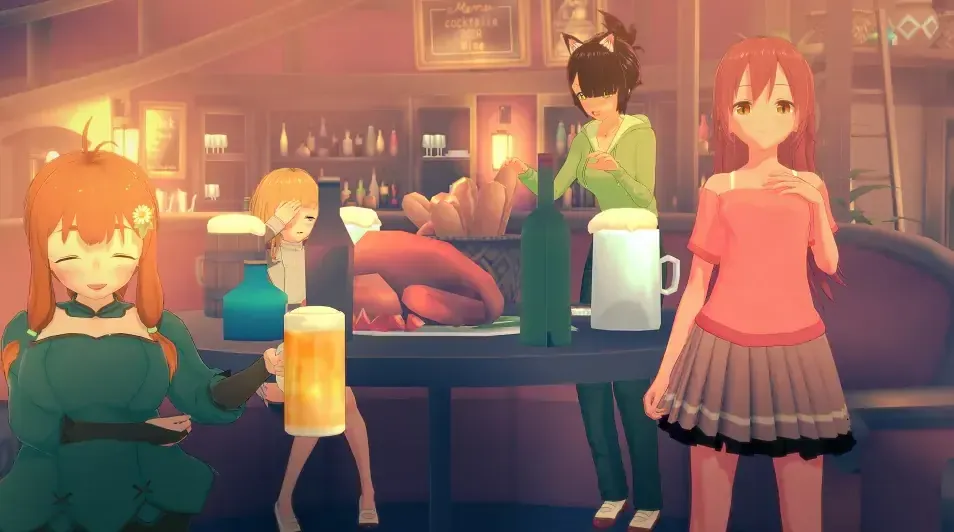
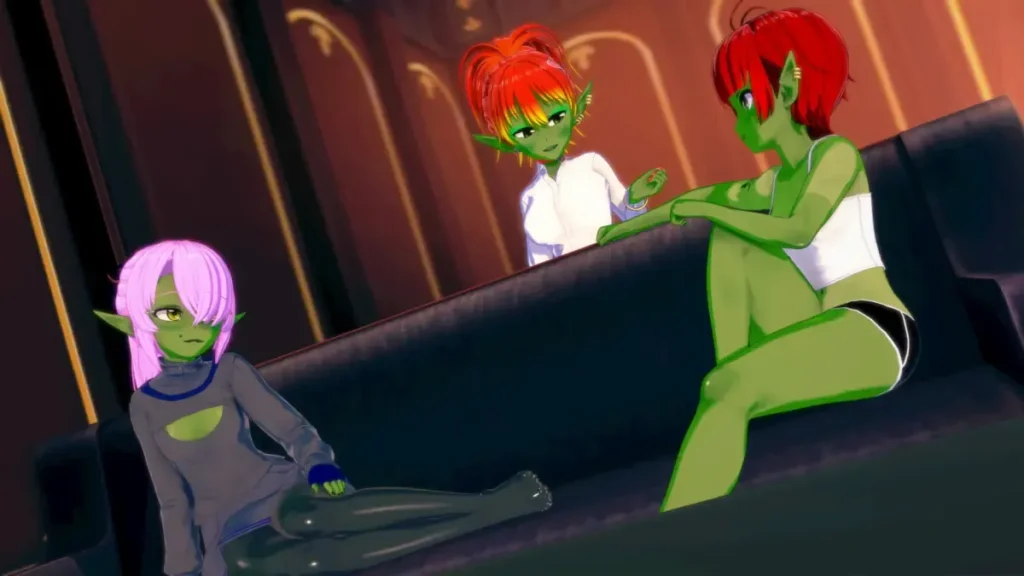
Tales of Unity review
Exploring how this visual novel redefines storytelling in interactive entertainment
Tales of Unity stands as a remarkable achievement in interactive storytelling, demonstrating that narrative-driven experiences can captivate audiences through compelling character arcs and meaningful choices. This visual novel has garnered significant attention from the gaming community for its sophisticated approach to world-building and emotional depth. Whether you’re a seasoned fan of narrative-focused games or new to the medium, understanding what makes Tales of Unity exceptional provides insight into the evolution of interactive fiction. The game represents a masterclass in how developers can craft engaging stories that resonate with players on multiple levels, combining character development with meaningful narrative branches that reward exploration and replay.
What Makes Tales of Unity a Storytelling Masterpiece
Let’s be honest—we’ve all played a game or watched a story where the characters feel like cardboard cutouts, just going through the motions of a plot that’s been told a thousand times before. You might finish it, but you don’t feel it. What if a game could not only make you feel it but make you an essential part of why the story unfolds the way it does? 🎭
That’s the magic trick Tales of Unity pulls off with breathtaking grace. This isn’t just another visual novel; it’s a masterclass in weaving player agency into the very fabric of its narrative. The Tales of Unity narrative structure is a complex, living tapestry where every thread—every choice, every whispered secret, every moment of trust—matters. It redefines what we expect from visual novel storytelling techniques by making you forget you’re playing a game at all. You’re just living a story, and it’s one that feels uniquely yours.
So, what exactly makes its narrative so exceptional? Let’s dive in and explore the pillars of its storytelling genius.
The Narrative Structure and Character Development
The heart of Tales of Unity doesn’t beat in its grand plot twists (though there are plenty), but in the quiet, vulnerable moments between its characters. The game’s true innovation lies in how its narrative structure is intrinsically tied to character development in interactive fiction. You don’t just watch arcs unfold; you directly participate in shaping them through your interactions.
Most stories follow a single protagonist’s journey, but Tales of Unity employs a multi-threaded approach. You experience the world through the alternating perspectives of its core cast. One chapter, you’re in the shoes of Leo, the idealistic leader wrestling with the weight of responsibility. The next, you’re seeing the world through Mara’s eyes, a cynical rogue whose sharp tongue hides a profound fear of betrayal. This rotating viewpoint is a brilliant visual novel storytelling technique. It prevents you from settling into a single narrative bias and forces you to understand the motivations and hidden pains of every major player.
The Tales of Unity character arcs are not predetermined paths you simply observe. They are gardens you help tend. A character’s growth is gated not just by story progress, but by the trust you build with them. I remember a specific moment with Kael, the group’s strategist, who presents as cold and logical. Early on, he shares a minor frustration. You’re given a choice: offer pragmatic advice (“Focus on the mission”) or empathetic, personal reassurance (“That sounds incredibly difficult”). Choosing the latter doesn’t trigger a sudden friendship, but it does plant a seed. Hours later, during a crisis, Kael hesitates—a crack in his flawless logic—and shares a childhood memory that explains his entire worldview. That moment of vulnerability was earned, a direct consequence of small, consistent choices I’d made to see the person behind the intellect.
This is where the game’s branching narrative design shines. Branches aren’t just about choosing “Path A” or “Path B” to a different ending. They are about choosing which facets of a character you get to see, which secrets are revealed, and which relationships become the emotional anchors of your playthrough. The narrative structure supports this by expertly pacing revelations. Major plot beats are synchronized with key character breakthroughs, making the external and internal conflicts resonate as one.
Pro Tip: Talk to everyone, every time the story context changes. The most profound character moments in Tales of Unity are often optional, hidden in seemingly casual dialogue that becomes available only after specific story events or choices.
The table below illustrates how different dialogue approaches can steer a single character’s arc in distinct directions:
| Character | Player Choice Style | Resulting Arc Direction |
|---|---|---|
| Elara (The Healer) | Encouraging her to set boundaries and prioritize self-care. | She grows from a self-sacrificing martyr into a resilient leader who teaches others to heal themselves. |
| Elara (The Healer) | Always supporting her instinct to help everyone, no matter the cost. | She becomes increasingly exhausted and bitter, leading to a crisis of faith and a potential breakdown at a critical story juncture. |
This depth ensures that Tales of Unity character arcs feel authentically human. Characters have conflicting desires, make mistakes you might disagree with, and possess agency independent of you. Your role is to influence, not to control, making their ultimate growth—or downfall—profoundly impactful.
World-Building and Immersive Setting Design
A great story needs a world that breathes, one with history, conflict, and texture that exists beyond the immediate view of the main cast. Tales of Unity excels at immersive world-building visual novels often strive for but rarely achieve with such subtlety. Its setting isn’t just a painted backdrop; it’s an active participant in the narrative, whispering secrets and shaping the characters’ very identities.
The game avoids the classic “lore dump.” You won’t find a monolithic history book to read. Instead, the world’s past is fragmented and distributed. You piece it together through environmental storytelling: faded murals in a forgotten temple, the architectural shift from one district to another that hints at a past annexation, or the melancholic folk song a minor character hums that tells of a lost king. 🏛️ This approach respects your intelligence. It makes discovery feel organic and rewarding, turning world-building into a puzzle that you’re intrinsically motivated to solve.
The lore is deeply integrated into character motivations. The central conflict of the world—the tension between a rigid, magic-regulating Council and the wild, untamed ancient energies of the land—isn’t an abstract political plot. It’s personal. Leo’s father was a Council enforcer; Mara’s family was persecuted by them. Kael’s entire logical framework is built on the Council’s laws. Therefore, every revelation about the world’s history directly challenges a character’s core beliefs, fueling their personal drama. This seamless blend of lore and character is a hallmark of the game’s narrative structure.
The environments themselves are characters. A bustling port city isn’t just busy; the dialogue snippets you overhear reveal rising tensions between merchants and fishermen, hinting at economic troubles that will later become a major story branch. A serene forest glade isn’t just pretty; the unnatural silence and twisted flora tell you that the region’s magical balance is off, setting up a future ecological quest. This level of detail fosters a powerful sense of place. You’re not navigating menus; you’re traversing a living, reactive world.
The game also masters tone through its setting. A pivotal scene might take place in a sun-dappled courtyard for a moment of hope, or in a rain-lashed, crumbling ruin for a betrayal. The visual novel storytelling techniques extend beyond character sprites and dialogue boxes; they encompass a conscious, artistic use of space, weather, and light to amplify the emotional beats of the story, making the immersive world-building a direct conduit for feeling.
Player Choice and Consequence Systems
This is where Tales of Unity truly separates itself from the crowd. In many player choice consequences games, your decisions often feel binary and telegraphed, leading to obvious “good” or “bad” endings. Tales of Unity rejects this simplicity. Its philosophy is that choices are rarely between right and wrong, but between different shades of “human,” each with its own cost and reward.
The consequence system is delayed, nuanced, and interconnected. A choice you make in Chapter 2 might not pay off or backfire until Chapter 6, and its effect will be mediated by other choices you’ve made in the meantime. There is no “Paragon” or “Renegade” meter. Instead, the game tracks relationships, world states, and the emotional demeanor of your party. Did you choose a peaceful but slow solution to a town’s problem? The town thrives later, but a faction that needed a swift victory loses faith in you. Did you side with Character A in an argument? Character B will remember, and it will affect their willingness to share a crucial piece of information three chapters later.
This creates an incredible sense of branching narrative design that feels less like a tree with distinct branches and more like a woven web. You’re constantly tugging on different threads, seeing the entire structure vibrate and change shape. The Tales of Unity narrative structure is built to absorb these tugs without breaking, creating a story that feels dynamic and responsive.
The weight of choice is also amplified by how the game presents it. Major decisions are rarely made in a vacuum. You carry the knowledge of your previous interactions, the personalities of your companions, and the state of the world into each critical moment. I recall a late-game decision where I had to allocate scarce resources. The “optimal” strategic choice was clear from a gameplay perspective. But because I had spent so much time building a close, empathetic bond with the character who would suffer from that choice, I simply couldn’t do it. I chose the “weaker” option, and the game rewarded me not with a game-over screen, but with a heartbreakingly beautiful scene of loyalty and sacrifice that became the defining moment of my playthrough. That is narrative power.
Here are some common questions players have about this intricate system:
| Question | Answer |
|---|---|
| Do I need to play perfectly to get a “good” ending? | No. **Tales of Unity** moves away from the concept of a single “good” ending. Your choices craft an ending that is thematically consistent with the story *you* shaped. An ending can be bittersweet, triumphant, or tragic, but it will feel earned based on your journey. |
| How heavily does the game autosave? Can I savescum choices? | The game uses a robust autosave system at key narrative junctions. While you can manually save, the design encourages living with your decisions. The most powerful moments come from facing the unintended consequences of a well-meaning choice, rather than reloading to find an “optimal” path. |
| Are consequences only about big, dramatic choices? | Absolutely not. Some of the most profound consequences stem from small, seemingly innocuous dialogue options—how you comfort someone, whether you remember a personal detail they shared earlier, or if you take a moment to appreciate something beautiful. These build the relational fabric that major events then tear at. |
This approach makes Tales of Unity a landmark in player choice consequences games. It understands that the most memorable stories are not those where we always win, but those where our choices, for better or worse, truly mattered. It trusts the player with real narrative responsibility and provides a structure sophisticated enough to make that responsibility feel real, weighty, and endlessly compelling.
In the end, Tales of Unity stands as a storytelling masterpiece not because of any single gimmick, but because of how harmoniously it blends all these elements. Its narrative structure is the skeleton, its character development the heart, its world-building the soul, and its choice system the will of the player. Together, they create an interactive fiction experience that doesn’t just tell a story—it lets you live one, with all its beautiful, messy, and unforgettable complexity. It’s a powerful reminder of the unique magic that happens when we are not just an audience, but a participant in the tale. ✨
Tales of Unity represents a significant achievement in interactive storytelling, showcasing how visual novels can deliver narratives with the emotional depth and complexity of traditional media. The game’s masterful character development, intricate world-building, and meaningful choice systems create an experience that resonates with players long after completion. By prioritizing storytelling excellence and player agency, Tales of Unity has established itself as a benchmark for narrative-driven games. For those interested in exploring the boundaries of interactive fiction or seeking a deeply engaging gaming experience, Tales of Unity offers a compelling journey that demonstrates the medium’s potential for sophisticated, emotionally impactful narratives.