The Theater of Sinners
Play The Theater of Sinners
The Theater of Sinners Screenshots
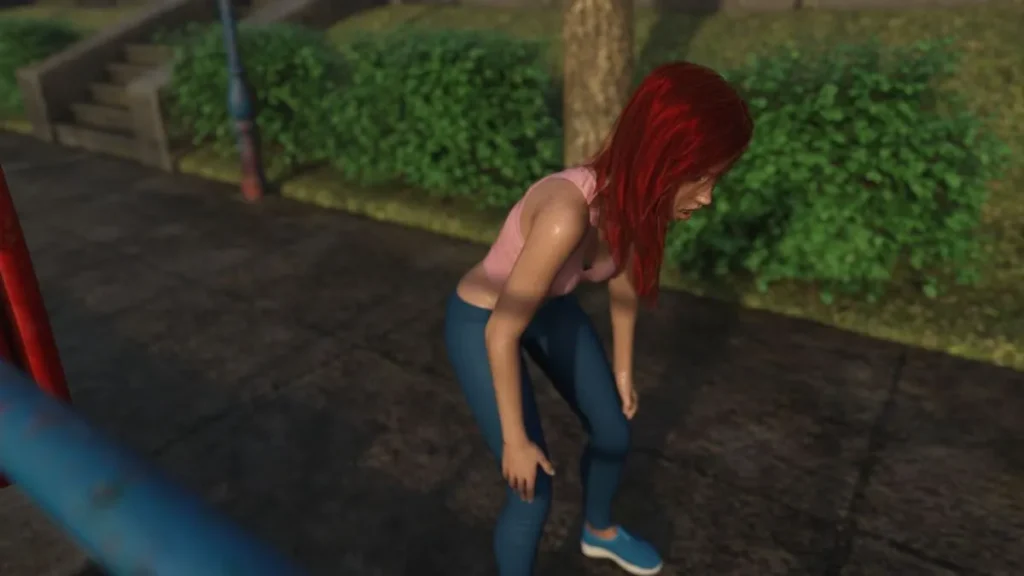
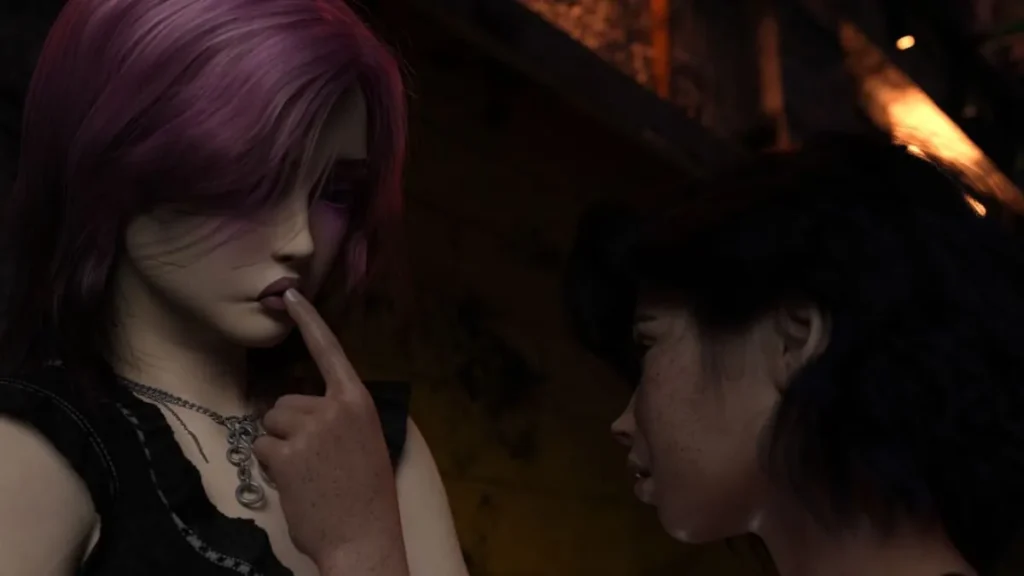

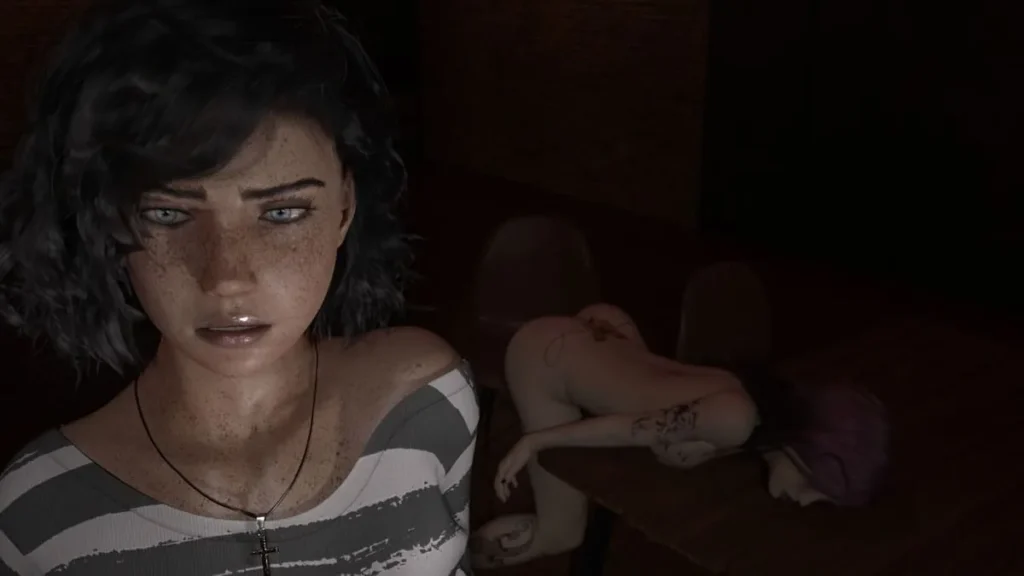


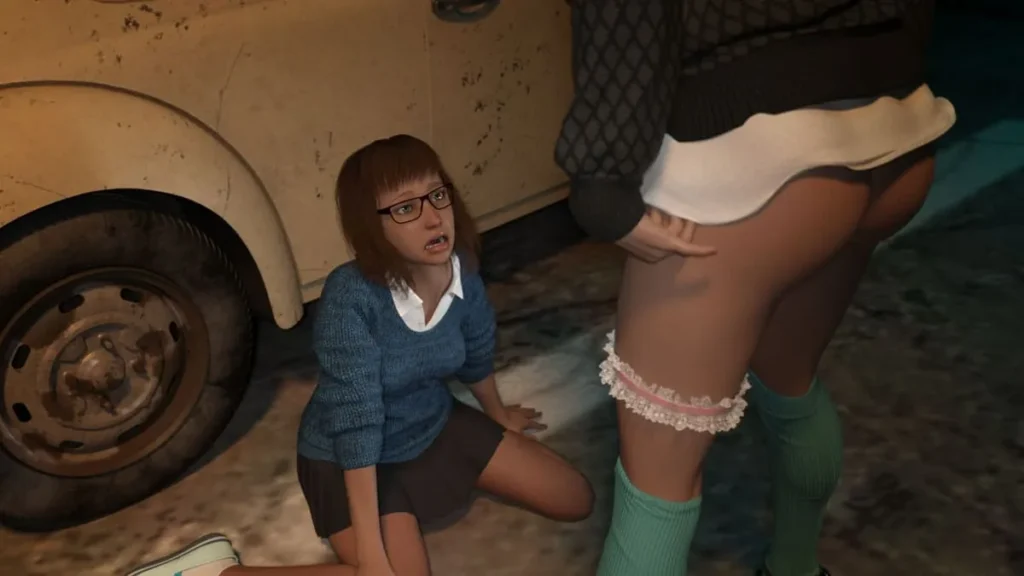

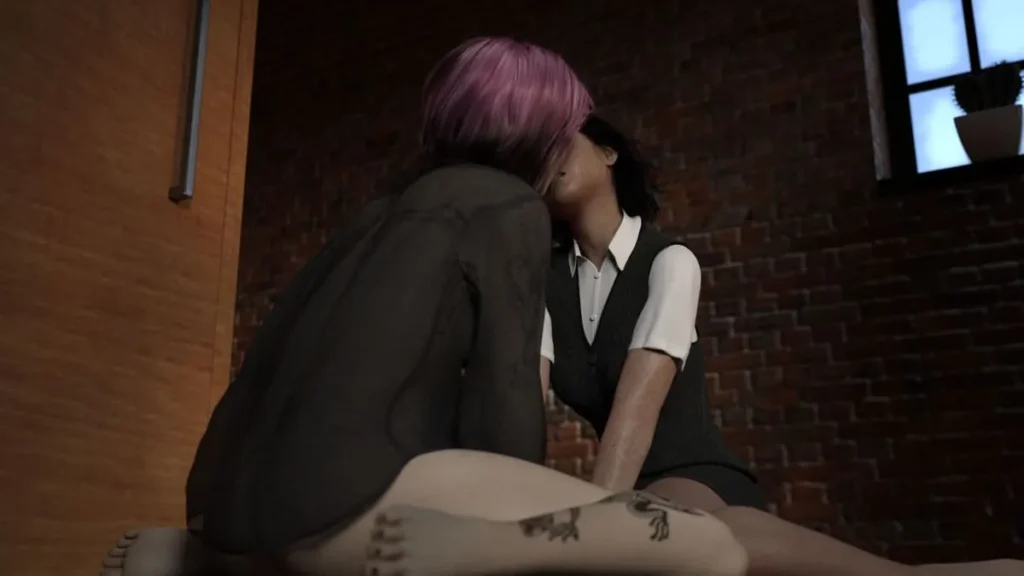



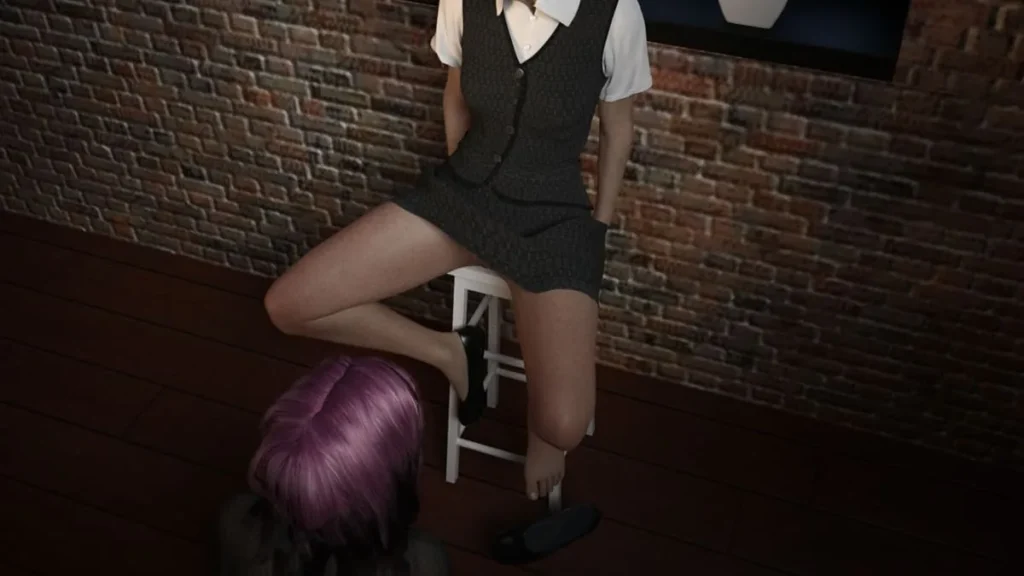
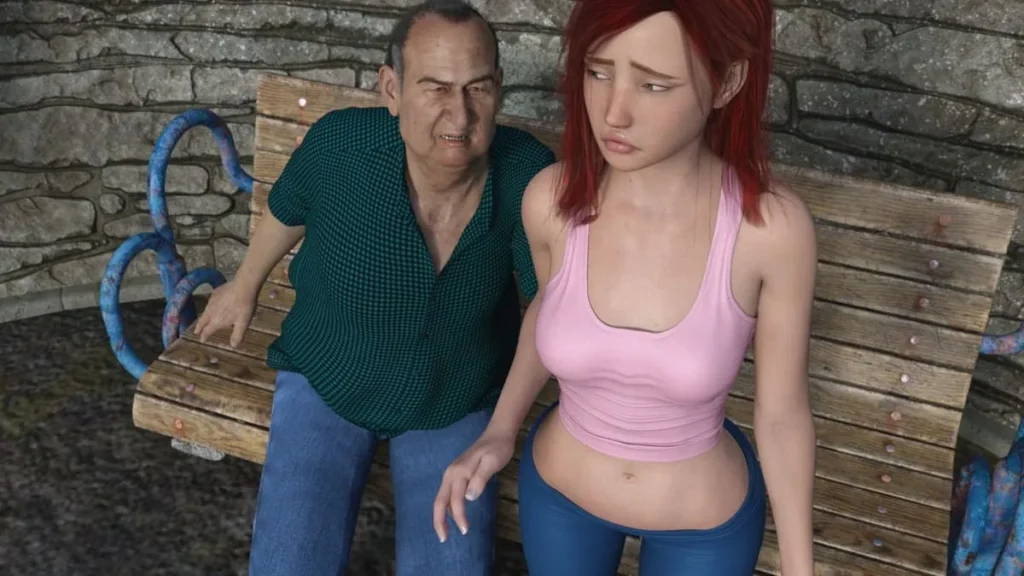
The Theater of Sinners review
Dive into the twisted tale of corruption and choices in this gripping adult game
Ever stepped into a world where right and wrong blur into a shadowy haze? That’s The Theater of Sinners, the adult visual novel that’s got players hooked on its raw, unflinching story of humiliation, corruption, and brutal choices. I remember my first playthrough—heart pounding as I navigated a society of delinquent teens and a troubled soul named Rebeca, questioning every decision. This game isn’t light reading; it’s a deep dive into gray morality that transforms you. If you’re curious about its immersive narrative, complex cast, and interactive paths, stick around. We’ll unpack everything to help you decide if you’re ready for the theater’s call.
What Makes The Theater of Sinners a Must-Play?
I still remember the first time I booted up The Theater of Sinners. It was a gloomy evening, and I was scrolling through indie game tags, feeling that specific itch for a narrative with real teeth. The description promised a “twisted tale,” and I was intrigued, but I wasn’t prepared for how completely it would swallow me. Within an hour, my casual curiosity had transformed into a heavy, captivated immersion. That’s the power of this dark visual novel; it doesn’t just tell you a story—it pulls you into its bleak, breathing world and makes you complicit. If you’re wondering what is The Theater of Sinners and why it’s worth your time, let me walk you through the elements that make it an unforgettable, if harrowing, experience.
Unpacking the Core Storyline and Themes 🎭
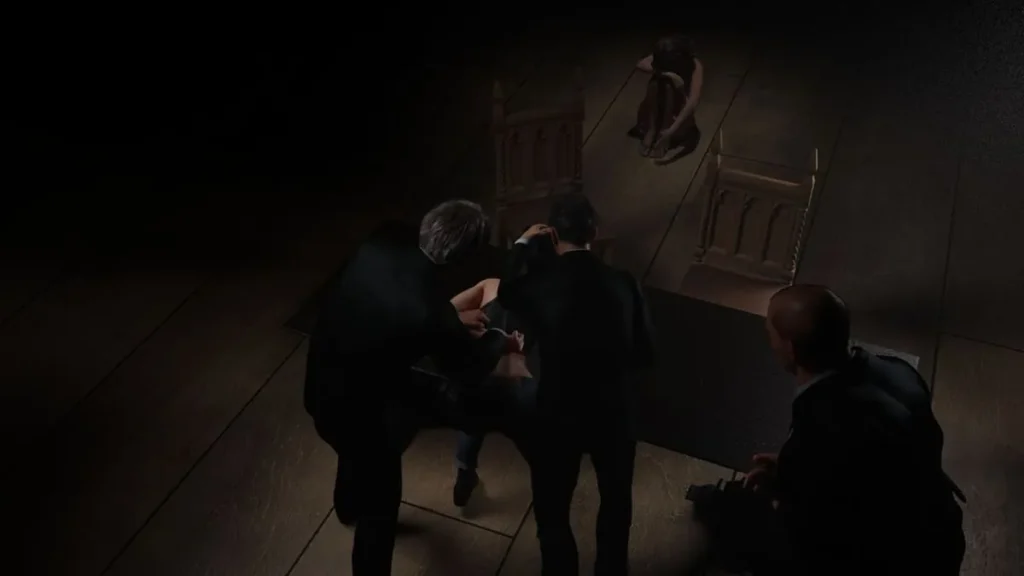
At its heart, The Theatre of Sinners story is a deep, uncomfortable dive into a morally ambiguous world where there are no easy heroes or simple villains. You step into the worn-out shoes of a protagonist whose life is already in a downward spiral, heavily influenced by a group of delinquent teenagers. The plot isn’t about saving the world; it’s about surviving it, and often, becoming something worse in the process.
The Theater of Sinners plot masterfully weaves together core themes that are as provocative as they are profound. This isn’t a lighthearted romp; it’s a deliberate exploration of some of humanity’s darker facets:
- Humiliation & Brutality: The game doesn’t shy away from depicting raw, psychological and physical violence. It’s used not for shock value, but to establish the brutal power dynamics and the crushing weight of the world your character inhabits.
- Corruption: This is the central engine of the narrative. We watch as characters, including your own, are gradually corroded by their circumstances, their desires, and their poor choices. The line between being a victim and becoming a perpetrator becomes terrifyingly thin.
- Gray Morality & Identity: Every decision exists in a shadowy middle ground. The game forces you to ask: “Who am I in this situation?” and “What am I willing to become to get what I want?” Your sense of self is constantly challenged.
- Personal Growth (or Degeneration): Growth here isn’t always positive. It’s about change, adaptation, and the consequences that sculpt a person. You might end the story “stronger,” but whether that’s a good thing is a question the game leaves you to ponder.
This potent mix creates a narrative atmosphere that is depressive yet utterly magnetic. You keep playing not for a feel-good escape, but to see just how deep the rabbit hole goes.
Why the Characters Feel So Real? 😟
If the world of The Theater of Sinners feels authentic, it’s because the characters who inhabit it are crafted with devastating honesty. They are not archetypes; they are messy, contradictory, and shaped by painfully realistic backstories.
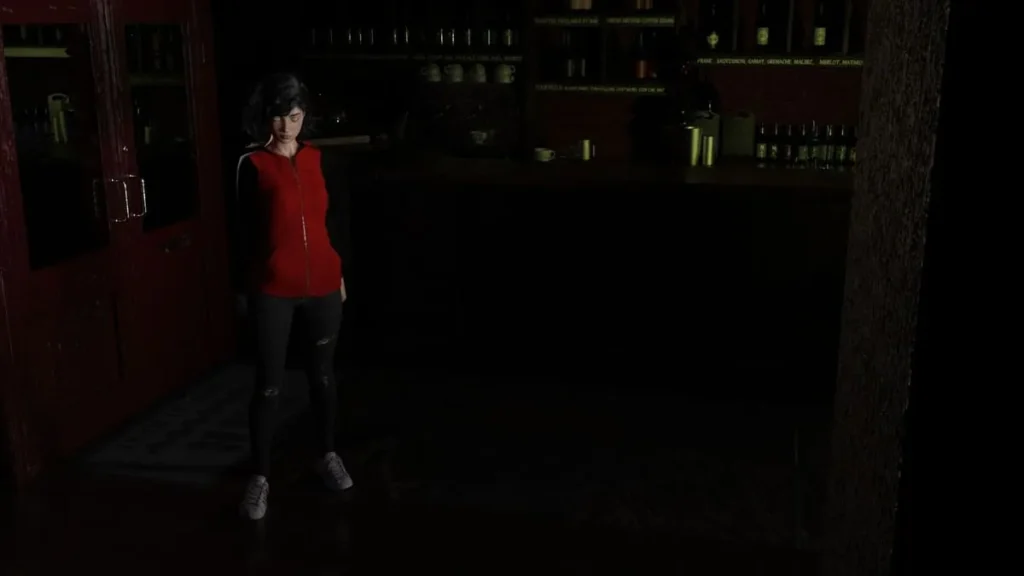
Take Rebeca, for instance. Her personality and actions are a direct product of a turbulent, traumatic upbringing. Her motivations aren’t explained in a single info-dump; they are revealed slowly through her strained facial reactions, her defensive dialogue, and the subtle ways she interacts with the world. You don’t just learn about her pain—you witness it in real-time. This attention to detail, from the direct, often uncomfortable experiences you share with her to the nuanced animation, builds a frightening level of empathy, even when her choices are difficult to stomach.
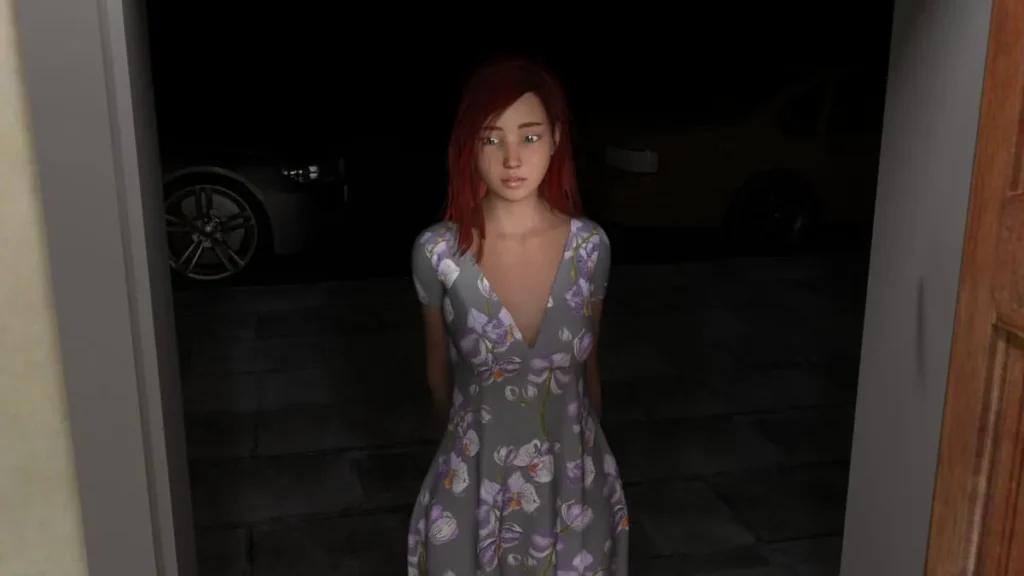
The secondary cast is equally compelling, a carefully curated mix of the strangely lovable and the instantly detestable. They feel like real people you might cross paths with in a neglected part of town, each carrying their own baggage and agendas. This realism is what hooks you. You’re not manipulating game characters; you’re navigating complex relationships with digital beings that feel disconcertingly alive.
“The characters are so well-written and realistic it’s scary. This story left me feeling depressed for days, but in that way that only truly great art can.” – A player’s comment from the game’s itch.io page.
How Choices Shape Your Dark Journey? ⚖️
This is where The Theater of Sinners game truly separates itself from passive storytelling. Your agency is everything. The interactive decision-making doesn’t just offer cosmetic dialogue changes; it actively determines the story’s outcomes, shaping relationships, altering character fates, and steering the protagonist’s moral compass toward light or absolute darkness.
The game brilliantly withholds a clear “good” or “evil” meter. You’re constantly choosing between bad and worse, or between a selfish benefit and a costly moral stand. Let me share a case study from my own playthrough:
The Pivotal Choice: Early on, the protagonist is pressured by the delinquent group to publicly humiliate a vulnerable classmate to solidify their place in the hierarchy. The “logical” game move is to comply, gaining immediate social protection and advancing a certain plot thread. The alternative is to refuse, which isolates you and makes you the next target.
My Decision & Its Transformation: I chose to refuse. What followed wasn’t a heroic reward. It was a cascade of consequences: intensified bullying, lost “alliances,” and a profound sense of loneliness that colored every subsequent interaction. However, it also sparked a different story path. It attracted the attention of a different character who valued integrity over strength, opened up unique, introspective dialogues about resistance, and fundamentally changed how I viewed my protagonist. He wasn’t a hero—he was just someone who drew a line, and the game showed me the brutal cost of that line. This is the essence of the Theater of Sinners plot; it’s a personal transformation forged by fire.
To help you navigate this web of consequences, here’s a breakdown of how key choice types influence the narrative:
| Choice Type | Typical Dilemma | Potential Narrative Impact |
|---|---|---|
| Moral Stand | Protect someone vs. gain personal advantage | Alters key character alliances; unlocks hidden story paths focused on integrity or corruption. |
| Social Alliance | Side with one faction over another | Determines which storylines and endings become available; closes off entire character arcs. |
| Personal Reaction | Respond with aggression, passivity, or manipulation | Shapes the protagonist’s evolving personality and how other characters perceive and interact with them. |
Actionable Advice for Engaging with the Darkness: 🧭
This journey is heavy. To get the most from it, don’t try to “win.” Instead, role-play authentically. Make the first choice that feels true to how you’d react in that moment of pressure. Let yourself feel uncomfortable. Take breaks between intense sessions to process. Discuss your decisions with others who have played—the moral debates are half the fun. Approach The Theater of Sinners not as a game to be conquered, but as an experience to be weathered.
In the end, that’s why it’s so impressive, even as it wallows in depressive themes. It has the courage to present a world not as we wish it were, but as it often is: complex, unfair, and shaped by our most difficult choices. The Theater of Sinners is a mirror held up to the parts of ourselves we rarely acknowledge, and that is a rare and powerful achievement in interactive storytelling.
There you have it—the raw, transformative pull of The Theater of Sinners that lingers long after the credits. From its gritty storyline and lifelike characters to those gut-wrenching choices that redefine morality, this visual novel delivers an unforgettable ride. I dove in skeptical but emerged changed, seeing pieces of my own shadows in Rebeca and the delinquents. If you’re drawn to stories that challenge and provoke, grab it now and step into the theater. Your choices await—what path will you carve through the darkness? Share your experiences in the comments; I’d love to hear your twists.